
The symbolic jewelry market in 2026 is witnessing a tectonic shift. What began in the 1990s as a conservative movement for abstinence has transformed into a complex sociocultural phenomenon. Today, the "purity ring" is no longer just a religious token; it is a tool for psychological self-determination, a marker of political identity, and a high-margin product of the conscious consumption industry.
The Ideological Evolution: From the "Chastity Act" to Pop Culture Peak
The history of purity rings is inextricably linked to U.S. politics of the 1980s. The passage of the Adolescent Family Life Act (1981)—dubbed "The Chastity Act"—laid the groundwork for federal funding of abstinence-only education.
The "True Love Waits" Catalyst
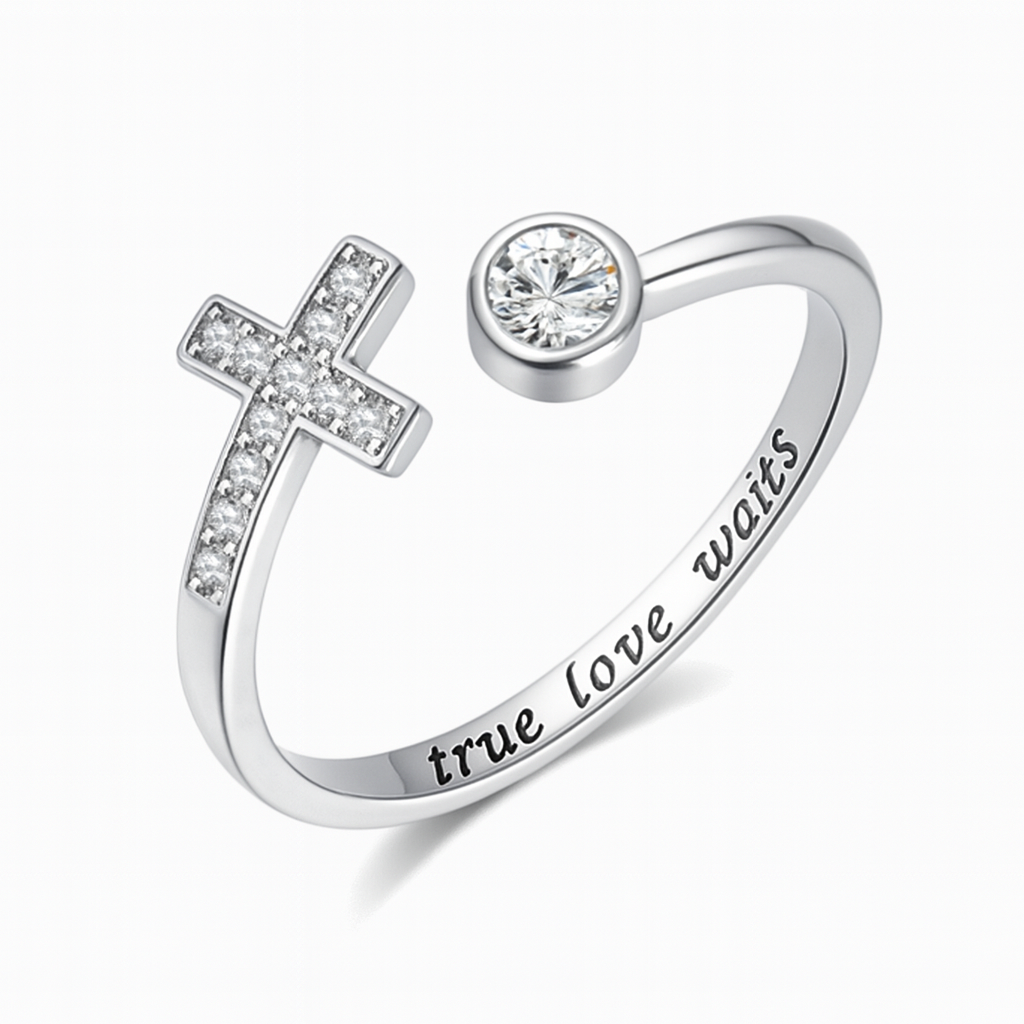
The movement hit the mainstream with the True Love Waits (1992) campaign. It successfully transformed an intimate lifestyle choice into a public moral identity. Mass rallies at the National Mall created a massive demand for a physical symbol: the engraved silver ring.

The Disney Channel Era: Teen Idols as Brand Ambassadors
In the early 2000s, the trend exploded globally via Disney stars. Miley Cyrus, Selena Gomez, and the Jonas Brothers made purity rings a "must-have" accessory. However, this period of glossy chastity eventually led to a crisis as these idols grew up and the public began to re-evaluate the movement’s psychological impact.
Deconstructing the Trauma: The "Purity Culture" Reckoning
By 2026, academic and therapeutic consensus has largely labeled the original "purity culture" model as destructive. Built on shame-based tactics and the objectification of young women, the movement left a lasting mark on a generation.

The "Damaged Goods" Metaphor
Teens were often taught through radical metaphors: comparing those who engaged in premarital sex to "chewed gum" or "broken china."
- The Fallout: Research from Johns Hopkins University revealed a paradox: while "pledge-takers" delayed sex, they were statistically more at risk for STIs and unintended pregnancies later in life due to a lack of accurate sexual health education and intense "guilt-driven" secrecy.
The 2026 Therapeutic Response
Today, a massive segment of the psychotherapy industry specializes in "purity culture recovery." A symbolic turning point was theologian Nadia Bolz-Weber’s art project, where she melted down thousands of donated purity rings to create a sculpture celebrating bodily autonomy—a direct challenge to patriarchal control.

The 2026 Consumer Profile: Who is Still Buying?
Despite widespread secularization, the market remains stable. According to Pew Research (2025), while traditional religious affiliation is down, Gen Z is attending church more frequently than previous generations did at their age (averaging 1.9 times a month).
Three Key Buyer Personas:
- The Independent Individual (Self-Empowerment): Young adults who buy rings for themselves as a symbol of personal boundaries and discipline in a hyper-sexualized digital age.
- The Romantic Couple: Partners using "Promise Rings" to signal exclusivity and intentionality without necessarily following religious dogmas.
- The Traditional Parent: A shrinking but steady segment purchasing rings as coming-of-age gifts for religious ceremonies.
The Curated Choice: One2Three Jewelry
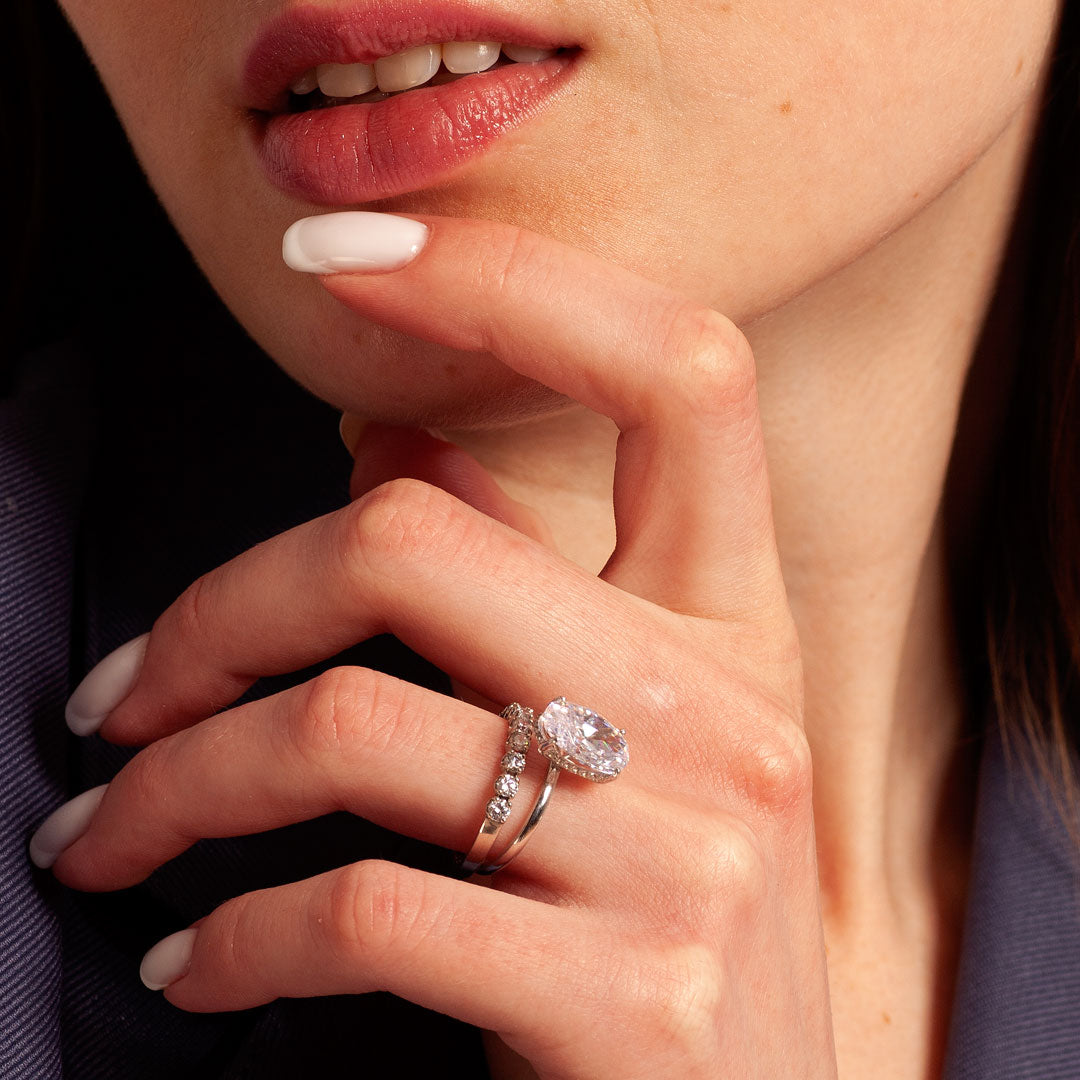
As the market moves toward a "fewer but finer" philosophy, brands like One2Three Jewelry are leading the charge by bridging the gap between deep-seated tradition and contemporary aesthetics. Their exclusive collection of purity rings reflects the 2026 demand for high-quality craftsmanship and meaningful design. Instead of mass-produced trinkets, One2Three focuses on elegant, durable pieces that resonate with the modern consumer’s desire for both spiritual significance and timeless style. Whether you are looking for a classic symbol of faith or a sophisticated marker of personal boundaries, their collection serves as a benchmark for how symbolic jewelry should evolve: with grace, quality, and intention.

The Secular Pivot: "Self-Love Rings" and Female Empowerment
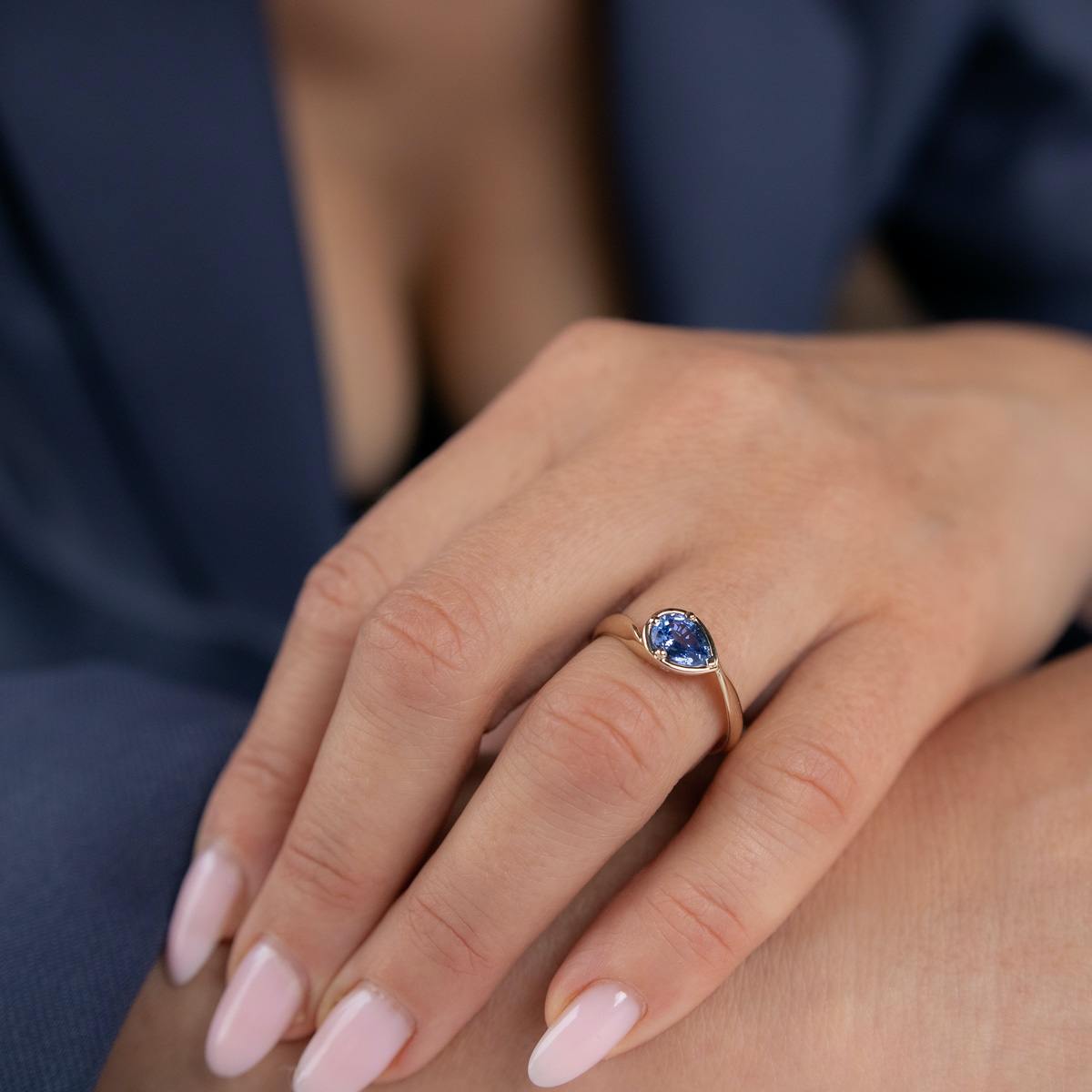
The most significant commercial shift in 2026 is the rebranding of the purity ring into the Self-Love Ring. Women are reclaiming the narrative: they aren't "waiting" for a man or a church; they are investing in fine jewelry to celebrate their own psychological and financial wholeness.
|
Feature |
Traditional Purity Ring |
Modern Self-Love Ring |
|
Core Message |
Abstinence until marriage |
Personal boundaries & self-care |
|
Finger Placement |
Left ring finger (reserved for spouse) |
Pinky finger (independence) |
|
Marketing Hook |
"True Love Waits" |
"You are your own greatest love" |
|
Aesthetics |
Simple silver crosses |
Sculptural forms, lab-grown gems |
2026 Design Trends: The "Fewer but Finer" Paradigm
Modern consumers are ditching "fast-fashion" jewelry that turns skin green. The 2026 aesthetic is defined by the "Jewelry Capsule"—timeless, high-quality pieces.
Top Design Drivers:
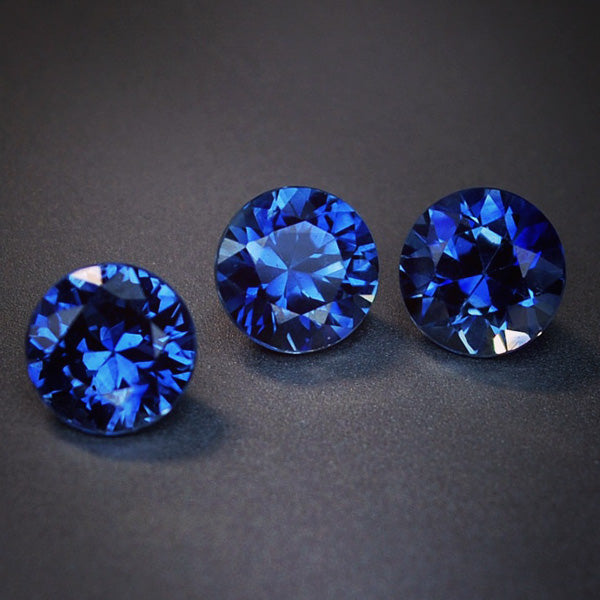
- Lab-Grown Diamonds: Ethical "purity" is now as important as moral purity. Consumers want conflict-free, eco-friendly stones.
- Architectural Silver & Rose Gold: Chunky, "molten," and sculptural silhouettes are dominating the market.
- Gender-Neutral Styles: Wide bands, signet rings, and Cuban links that look organic on any hand.
- 316L Stainless Steel: Favored by Gen Z-targeted brands like Horizon Cross Ring for its durability and "tarnish-proof" life-proof quality.

Final Synthesis: The Future of Symbolic Jewelry
The traditional concept of the purity ring as an instrument of institutional control has largely failed. However, the physical object itself has proven remarkably resilient. In 2026, the ring has shifted from being a "lock" to being a "compass." Whether it represents a religious vow or a commitment to mental health, the purity ring remains a vital sociocultural indicator of how we define our boundaries in an ever-changing world.