
The Death of the Logo: Why "Looking Rich" Got a Software Update in 2026
There was a time, not so long ago, when luxury was loud, heavy, and—frankly—a bit exhausted. It was a world of "more is more," where the weight of a gold chain was the primary measure of a person’s social gravity. But look around the front rows of Paris or the corners of Lower Manhattan this season, and you’ll notice a seismic hush. The diamonds are still there, but they’re lab-grown and tucked behind a vintage trench; the leather is supple, but it’s made from mycelium.

We are witnessing the final expiration of "Conspicuous Consumption." In its place? A new, razor-sharp era of Intellectual Capital.
The Psychographics of the "Siren" The "Clean Girl" has officially left the building. Her yoga mat has been replaced by a stack of Joan Didion essays and a pair of Bayonetta glasses. These narrow, feline frames—once the utilitarian armor of the 90s corporate drone—have become the ultimate 2026 power move.
From "Clean Girl" to "Office Siren": The Psychological Pivot
For the past few years, we lived in the era of the Clean Girl—a hyper-sterile, smoothie-drinking aesthetic that was all about perfection. But in 2026, perfection is exhausting. It feels fake.
Enter the Office Siren and the Gothic Revival. This is where your intuition about the "Bayoentta glasses" hits the bullseye.
- The Vibe: Think 90s Prada, Gisele Bündchen in The Devil Wears Prada, or the high-octane intellect of a librarian who moonlight’s at a techno club.
- The "Why": In an age of AI-generated fluff, looking smart is the ultimate status symbol. The glasses act as a visual frame for the brain. It’s "Sapiosexuality" made manifest.
- The Demographic: This is the playground of the 20-35 age bracket—people who are rejecting the "effortless" look for something sharper, edgier, and more authoritative.

Why? Because in an era of AI-generated superficiality, looking like you actually read the fine print is the most erotic thing you can do. It’s what we call the "Office Siren" aesthetic, but don't be fooled by the name. This isn't about working for the man; it’s about having the intellectual agency to subvert him. It’s the look of a woman who knows her archival Margiela from her fast-fashion dupes and chooses the former because she understands the provenance.
The Data: A New Guard Takes the Wheel
The numbers don’t lie. According to recent 2025-2026 market reports from Bain & Company, Gen Z and Gen Alpha will account for 80% of luxury sales by 2030. But they aren't buying what their parents bought.
- Value-Driven Shopping: 64% of global consumers now choose brands based on their political or social beliefs (Edelman Trust Barometer).
- The Resale Boom: The luxury resale market is growing 5x faster than primary retail. Buying "new" is no longer the flex; buying "archival" or "circular" is.
- The "Invisible" Flex: Spending on "inconspicuous consumption"—education, biohacking, and niche cultural experiences—has outpaced spending on physical luxury goods for the first time in a decade.
The $100 Ego Trip
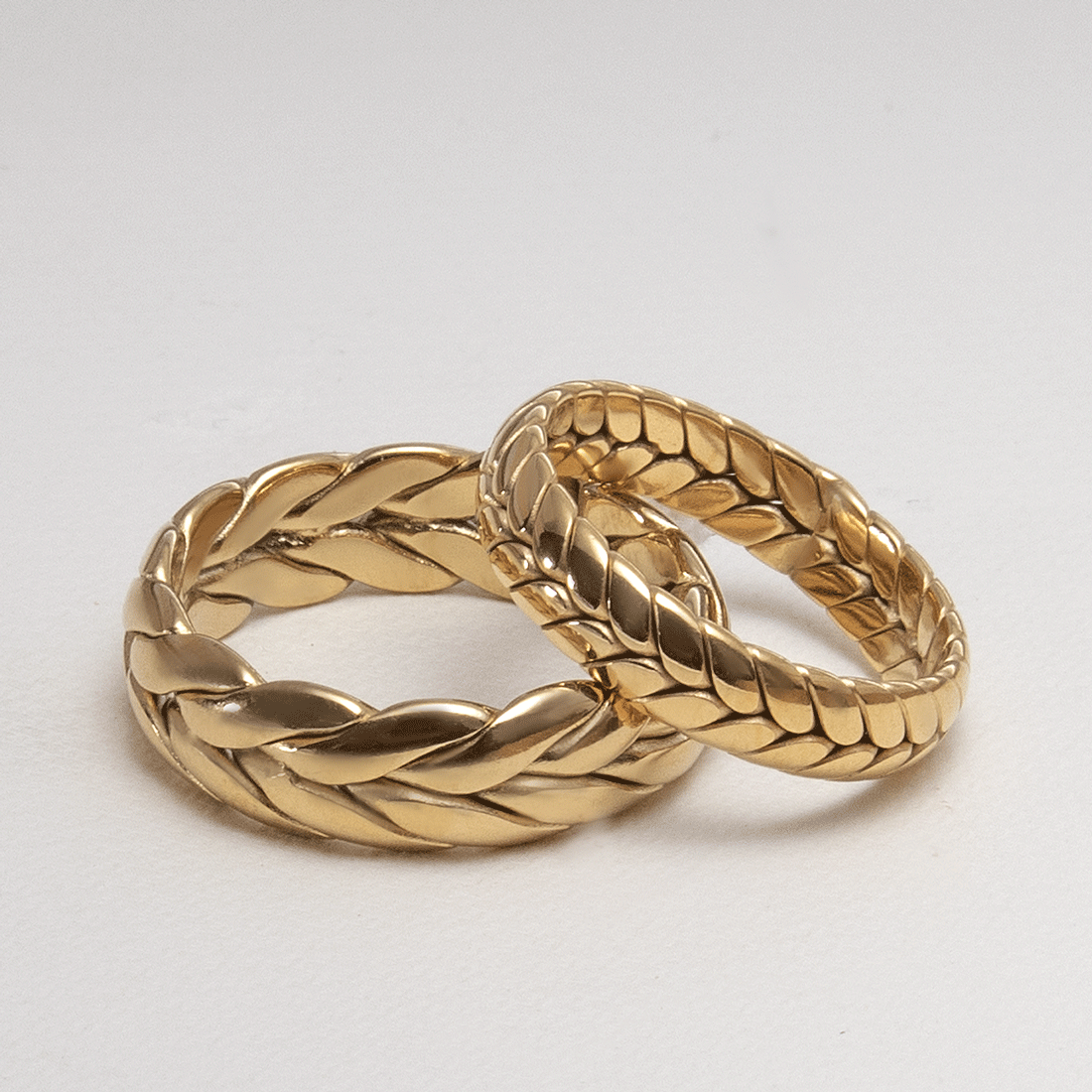
In the mid-market, the shift is even more fascinating. Status is no longer a price tag; it’s a gatekeeping mechanism. When a Gen Z "archivist" spends $80 on a piece of jewelry with a raw, "unfinished" Gvasalia-esque texture, they aren't paying for the silver. They are paying for the right to say, "If you don't get why this looks like industrial scrap, you simply aren't in the room."
This is Virtue Signaling 2.0. It’s the $60 upcycled-cotton tee that serves as a carbon-neutral tuxedo. It’s the "Bio-Status" of a $90 serum that grants you the kind of luminous, poreless skin that only comes from a life of filtered water and expensive boundaries. As social animals, we haven't stopped competing; we’ve just changed the currency from Possession to Awareness.
The Gvasalia Paradox: Ugly is the New Elite
We must credit Demna for this: he taught us that "pretty" is common, but "interesting" is rare. The 2026 status symbol is often intentionally difficult. It’s a shoe that looks like a surgical boot; a necklace that looks like a hardware store accident. These are "Social Shorthands." They exist to filter the world into those who know and those who look.

As the data from Bain & Company suggests, with Gen Z set to dominate 80% of the market by 2030, the brands that win won't be the ones with the biggest billboards. They’ll be the ones with the deepest secrets.

@gucci
The Verdict
Status hasn't disappeared; it’s just gone undercover. It has moved from the wrist to the mind. The most fashionable person in 2026 isn't the one with the most expensive bag, but the one with the most curated perspective.
We are no longer wearing our wealth. We are wearing our worldview. And darling, if you have to ask what it means, you’re already out of style.