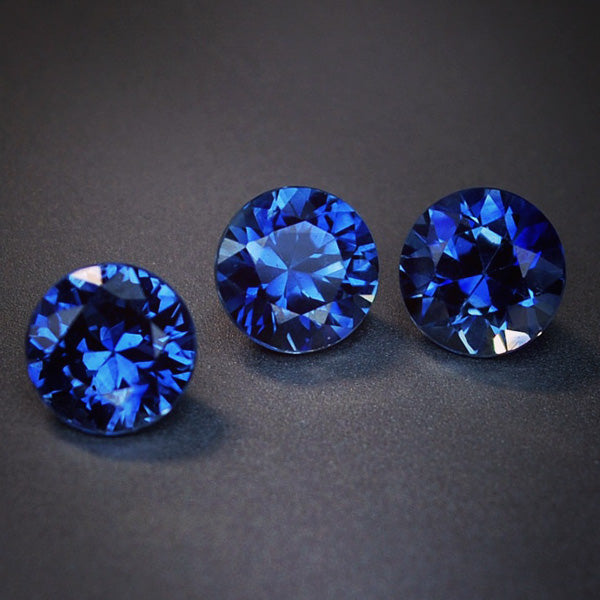
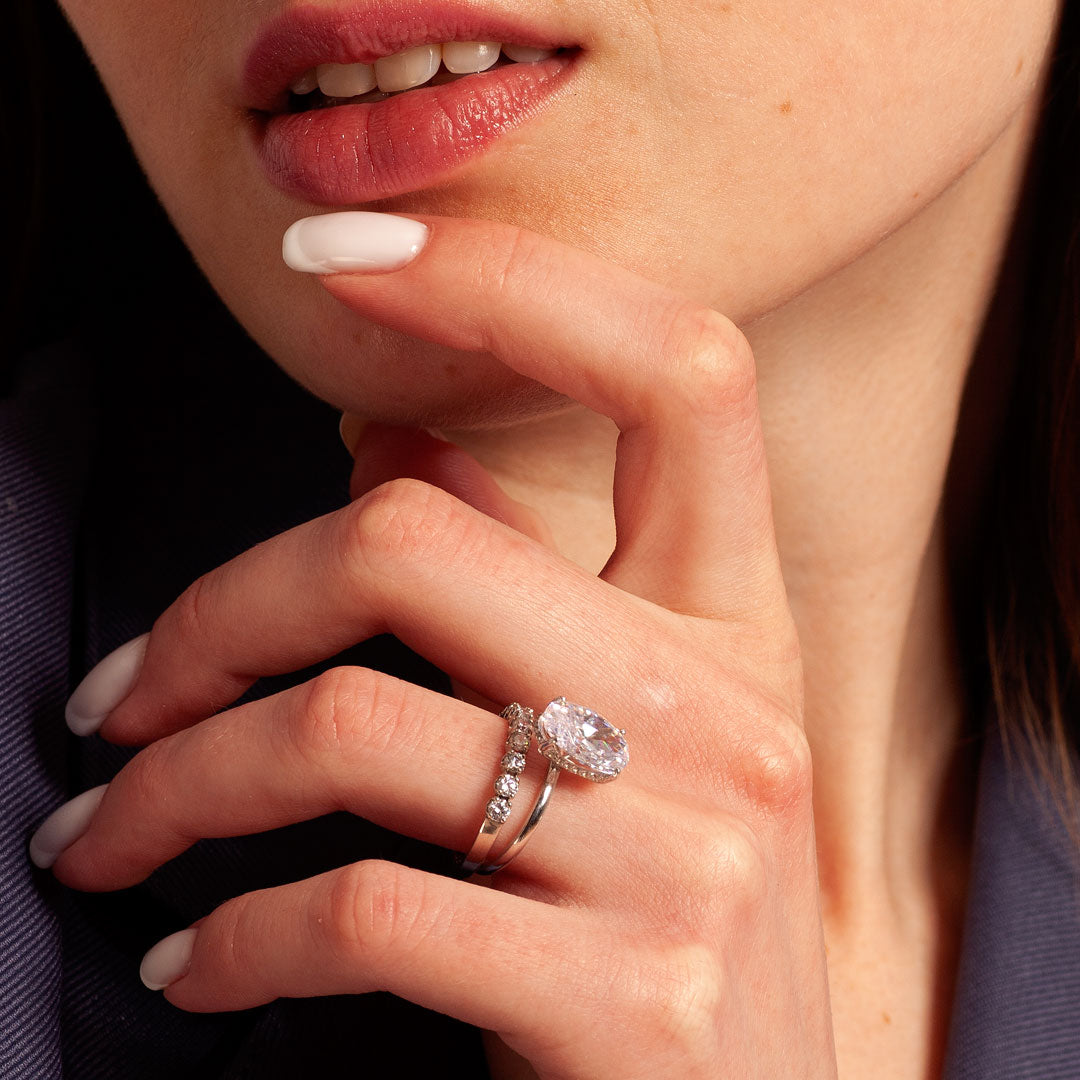
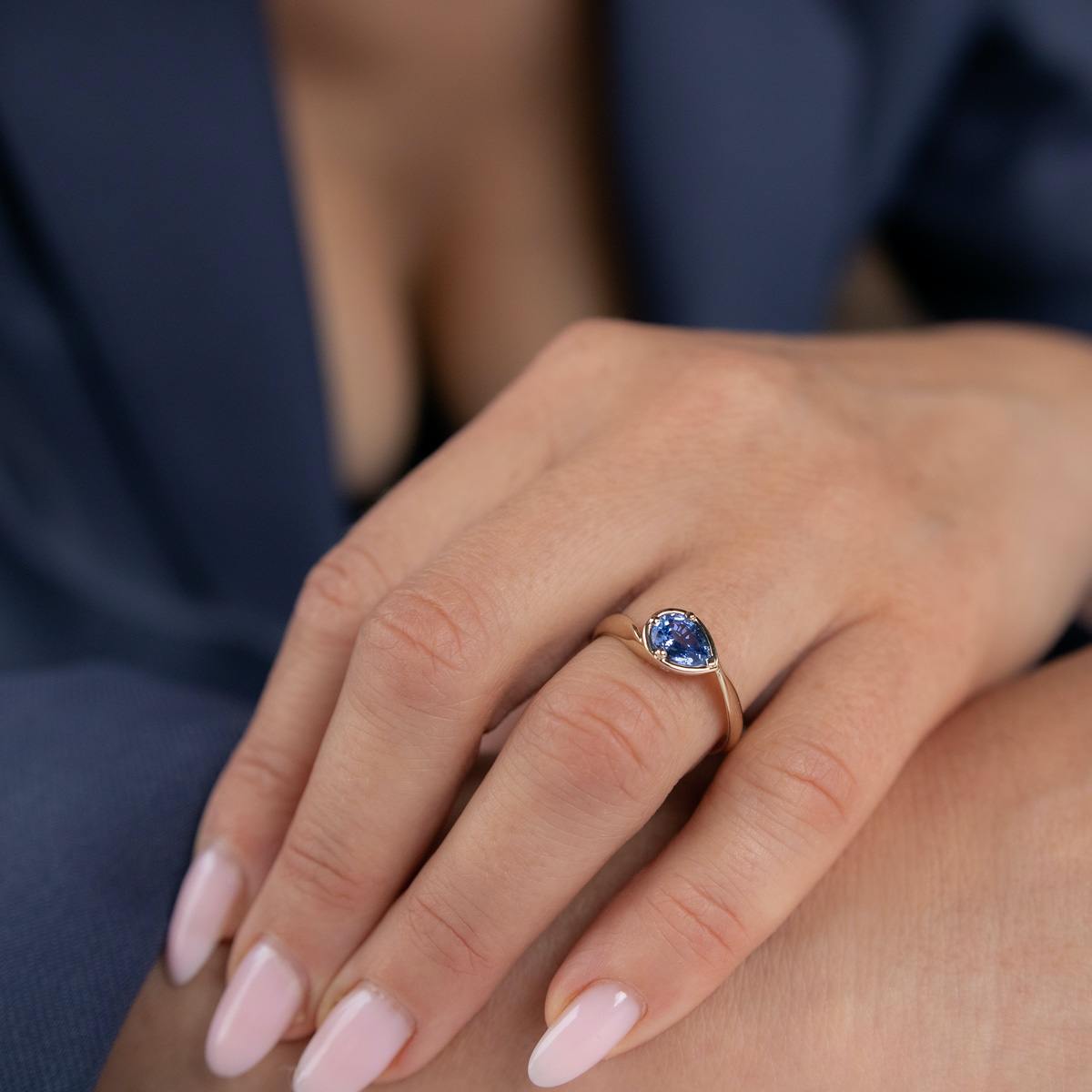
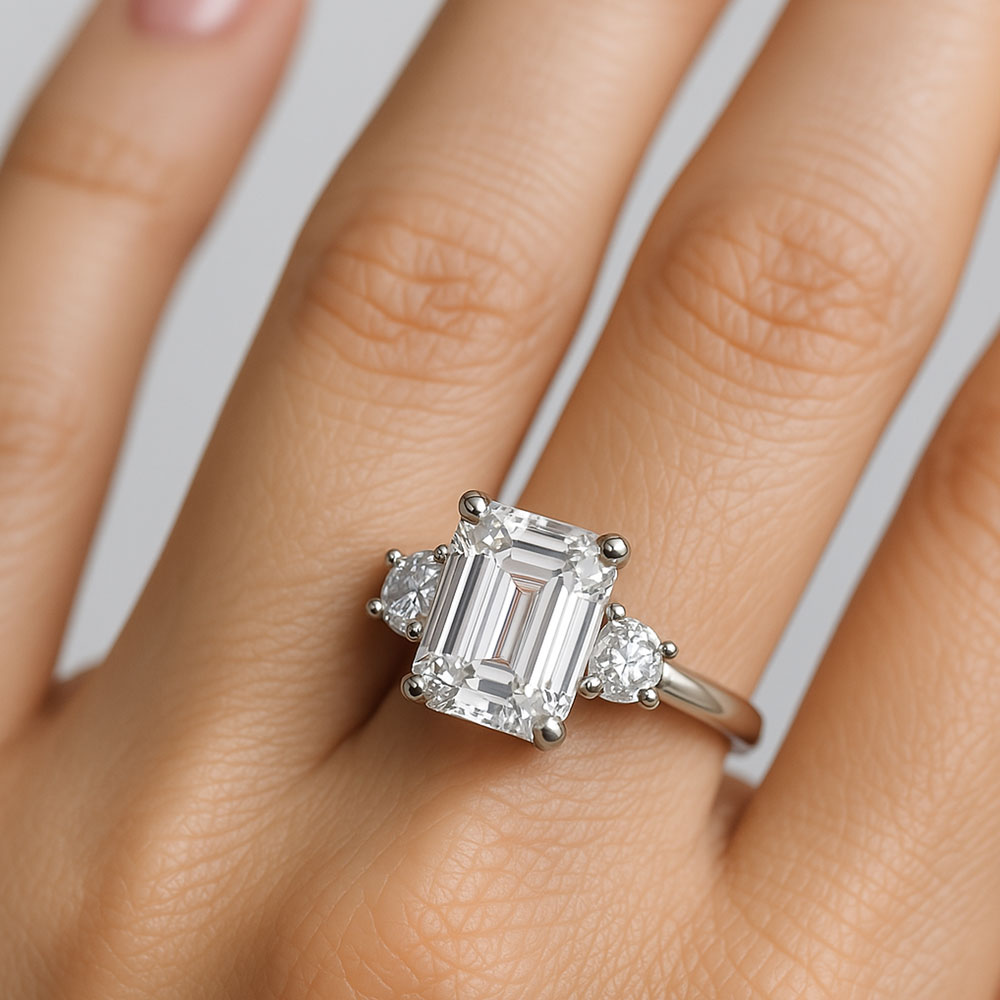
So, you’re looking at a stunning sparkler and wondering: Is it a gift from Mother Nature or a marvel of modern science?
With lab-grown diamonds becoming mainstream, the question of how to tell them apart is more popular than ever. Whether you're shopping for an engagement ring or just curious about your heirloom jewelry, here is the ultimate guide to understanding Natural vs. Lab-Grown diamonds.
1. The "Million Dollar" Truth: Can You Actually See the Difference?
Let’s start with a reality check: To the naked eye, a high-quality lab diamond and a natural diamond are identical. Lab diamonds are not "fake" (like Cubic Zirconia or Moissanite). They have the same chemical, physical, and optical properties as mined diamonds. Even professional gemologists often can't tell them apart without specialized high-tech equipment.
Pro Tip: If someone tells you they can "see" a lab diamond just by looking at the sparkle, they’re probably pulling your leg!

2. The Pro’s Secret: It’s All in the Paperwork
The most foolproof way to distinguish between the two is the Grading Report.
-
GIA and IGI Certificates: Modern lab diamonds are laser-inscribed on the girdle (the edge of the stone). If you look through a jeweler’s loupe, you might see a tiny serial number and the words "Laboratory-Grown."
-
Price Point: If the price seems "too good to be true" (usually 60–80% less than natural), it’s almost certainly a lab-grown stone.

3. DIY "Lighthouse" Hacks (And Why They’re Tricky)
While home tests aren't 100% conclusive for lab vs. natural, they help you rule out imitations like glass or moissanite.
The Fog Test
Breathe on the diamond like you’re fogging up a window.
-
Natural/Lab Diamond: The fog should disappear almost instantly because diamonds conduct heat so well.
-
Fakes (CZ): The fog will stay for a second or two.
The Sparkle Test (Scintillation)
Hold the stone under a normal lamp.
-
Diamonds: You should see "white" sparkle (brilliance) and "rainbow" flashes (fire).
-
The Giveaway: If it looks like an intense, overwhelming "disco ball" of rainbows, it might be a Moissanite, not a diamond.

4. High-Tech Detective Work
If you want 100% certainty, jewelers use specialized tools that look for "growth patterns."
-
Nitrogen Levels: Natural diamonds usually contain tiny amounts of nitrogen. Most lab diamonds (CVD or HPHT) do not.
-
Fluorescence under UV: Some lab diamonds show different colors under ultraviolet light compared to natural ones due to the chemicals used during their "growth" in the lab.
-
Microscopic Inclusions: Natural diamonds often have tiny "birthmarks" made of other minerals. Lab diamonds might have tiny metallic inclusions from the molten metal flux used in the lab.
5. Natural vs. Lab-Grown: Which Should You Choose?
In 2024, the choice is more about values than looks.
| Feature | Natural Diamonds | Lab-Grown Diamonds |
| Origin | Earth’s Mantle (Billions of years old) | High-tech Laboratory (Weeks to grow) |
| Resale Value | Higher retention | Low to zero resale value |
| Price | Premium/Investment | Affordable/Budget-friendly |
| Ethical Impact | Improving (Conflict-free standards) | Generally lower carbon footprint |
Final Verdict
The only way to be 100% sure is to buy certified jewelry from a reputable source like One2Three Jewelry. Always ask for a GIA or IGI certificate—it’s the "birth certificate" of your diamond that tells its true story.
Ready to find your perfect sparkle? Whether you want a piece of Earth’s history or a modern scientific miracle, the choice is yours!