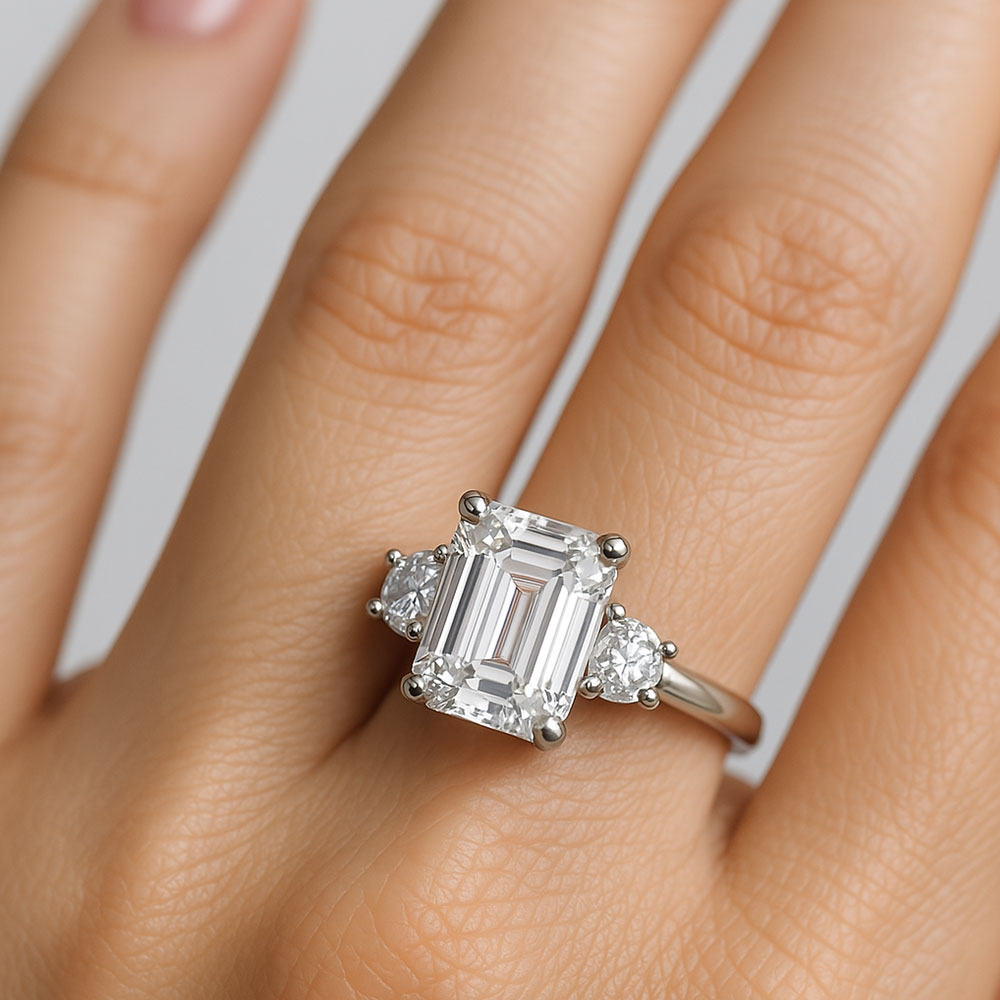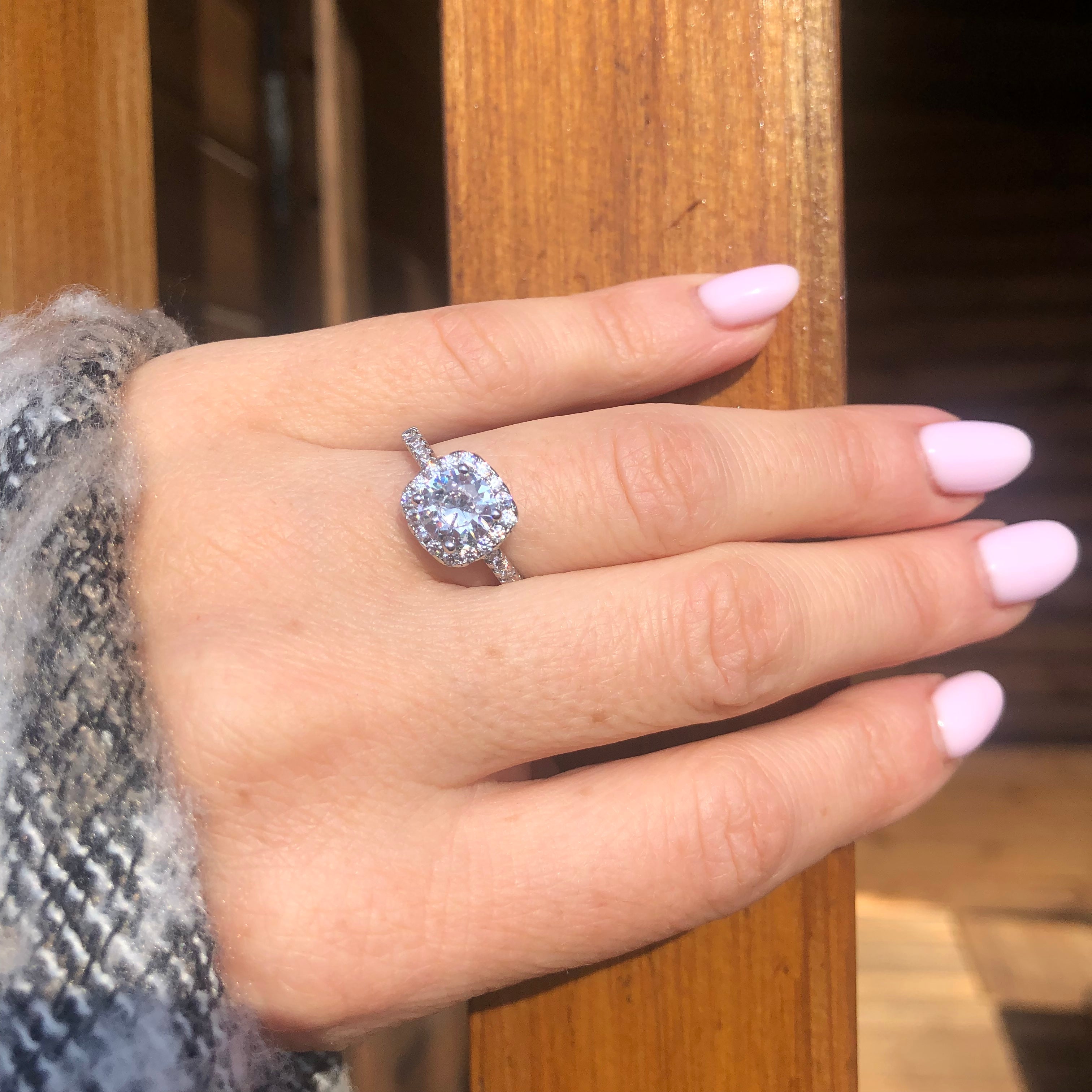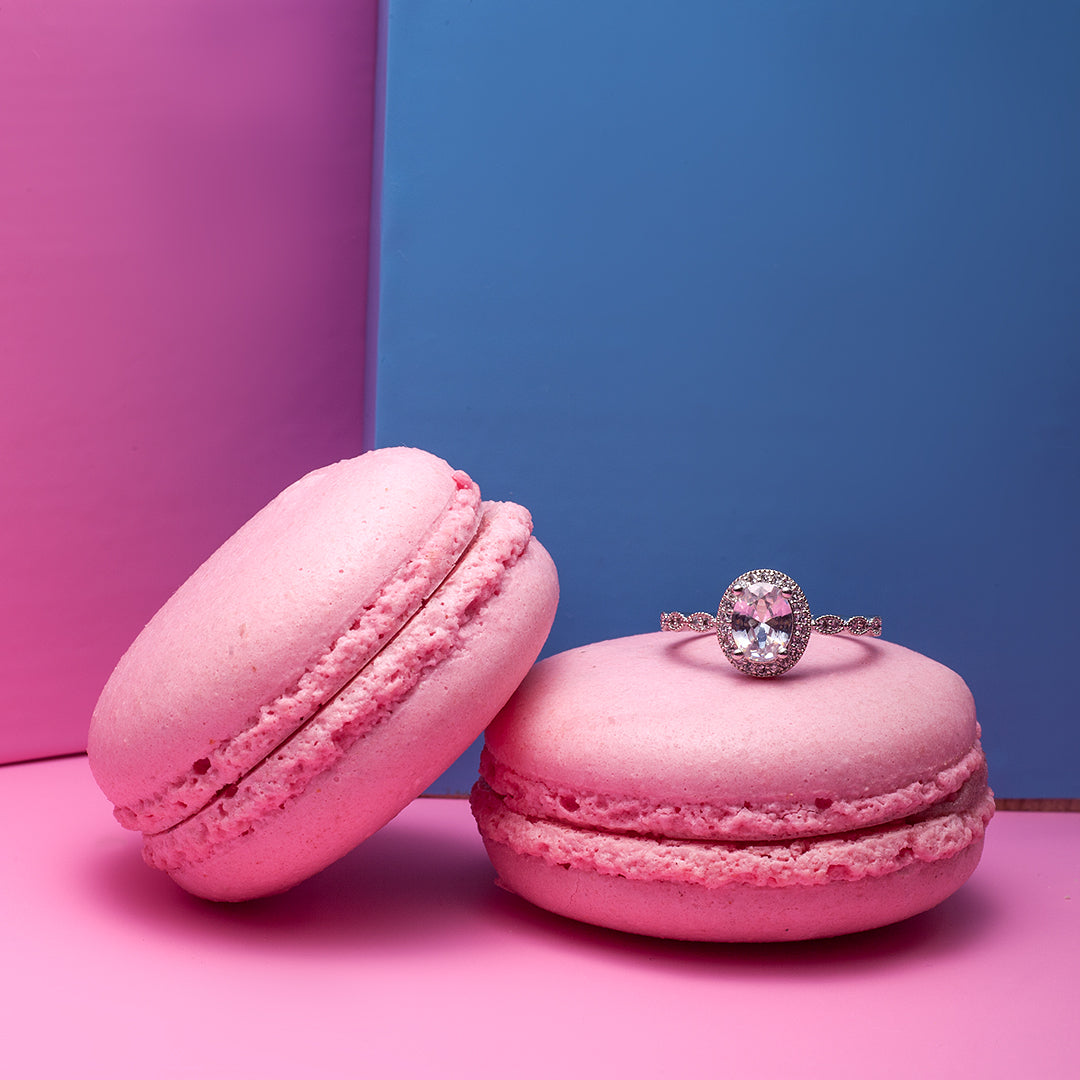
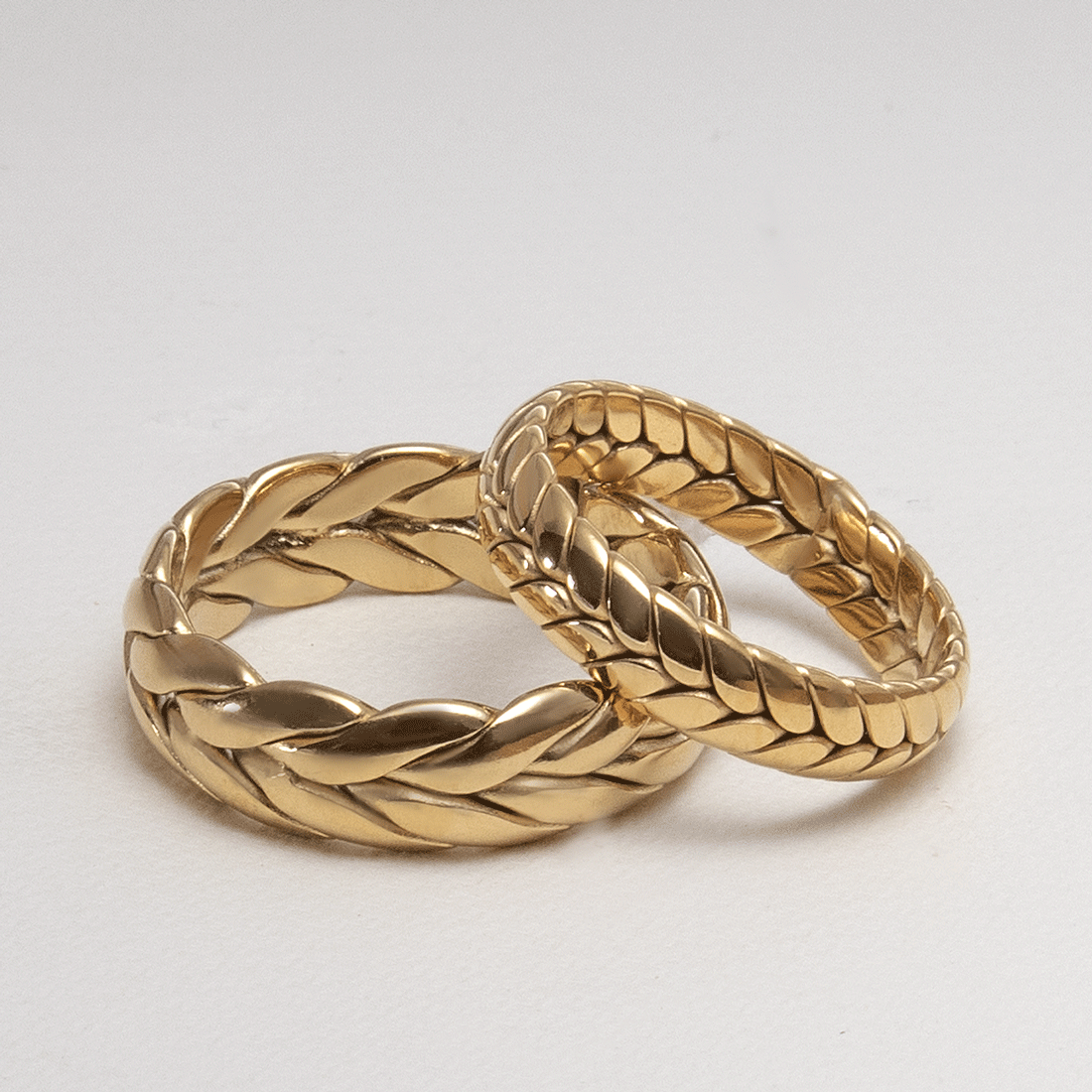
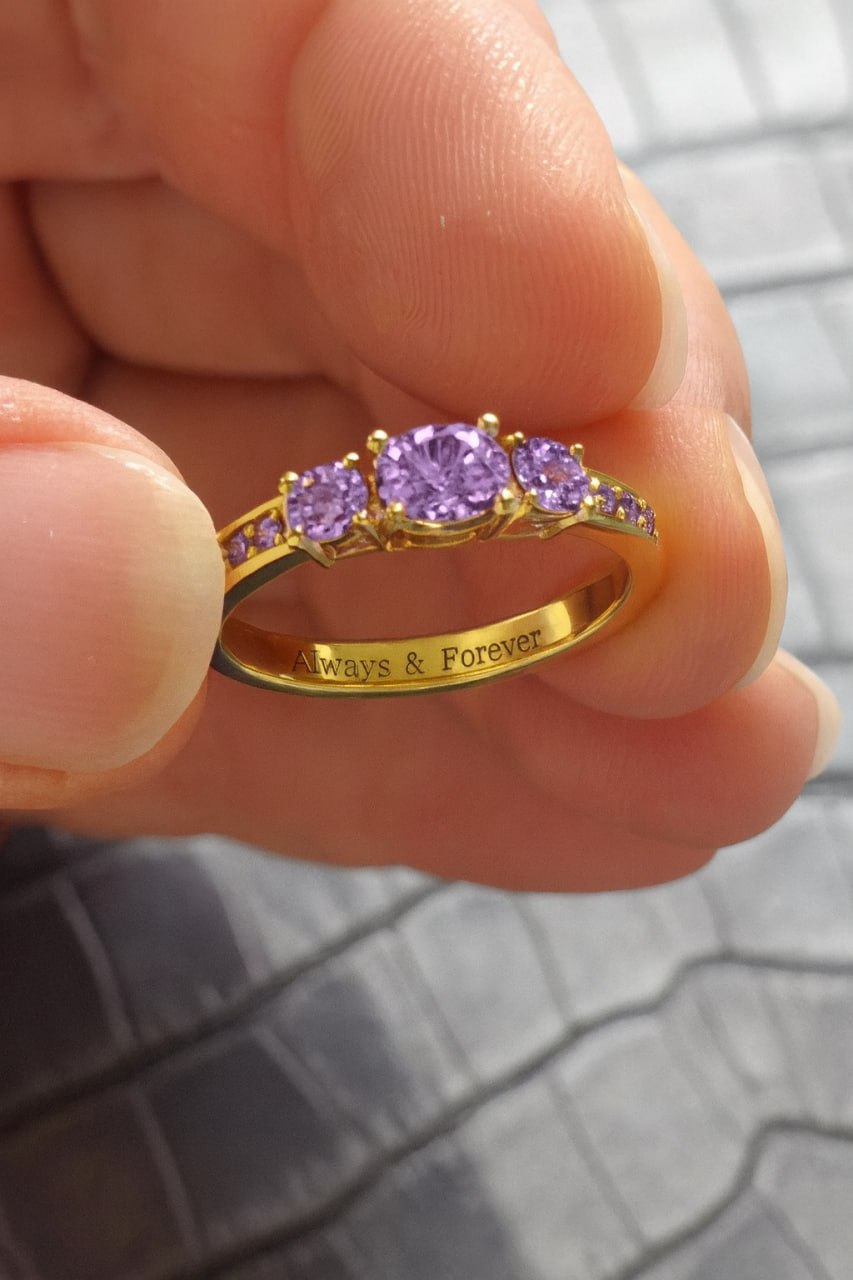
For decades, the "diamond standard" was less about love and more about a marketing math equation. We were told that a proposal wasn't "real" unless the ring cost at least three months of your salary. But as we move through 2026, that old-school rule is officially dead. In its place? A refreshing shift toward sterling silver, artistic integrity, and a new definition of luxury that prioritizes soul over status.
The Death of the "Three Months' Salary" Myth
The idea that you should drop $15,000 on a ring before starting a life together feels increasingly out of touch. For Gen Z and Millennials, financial transparency is the new romance. Today’s couples are looking at their bank accounts and choosing a house down payment or a month-long trek through South America over a tiny rock with a massive markup.

The "three-month rule" was a 20th-century marketing masterstroke, but in 2026, it’s being replaced by the "Value and Values" approach. Younger generations aren't asking "how much did it cost?" but "who made this?" and "what does it represent?"
Silver is Having a Major High-Fashion Moment
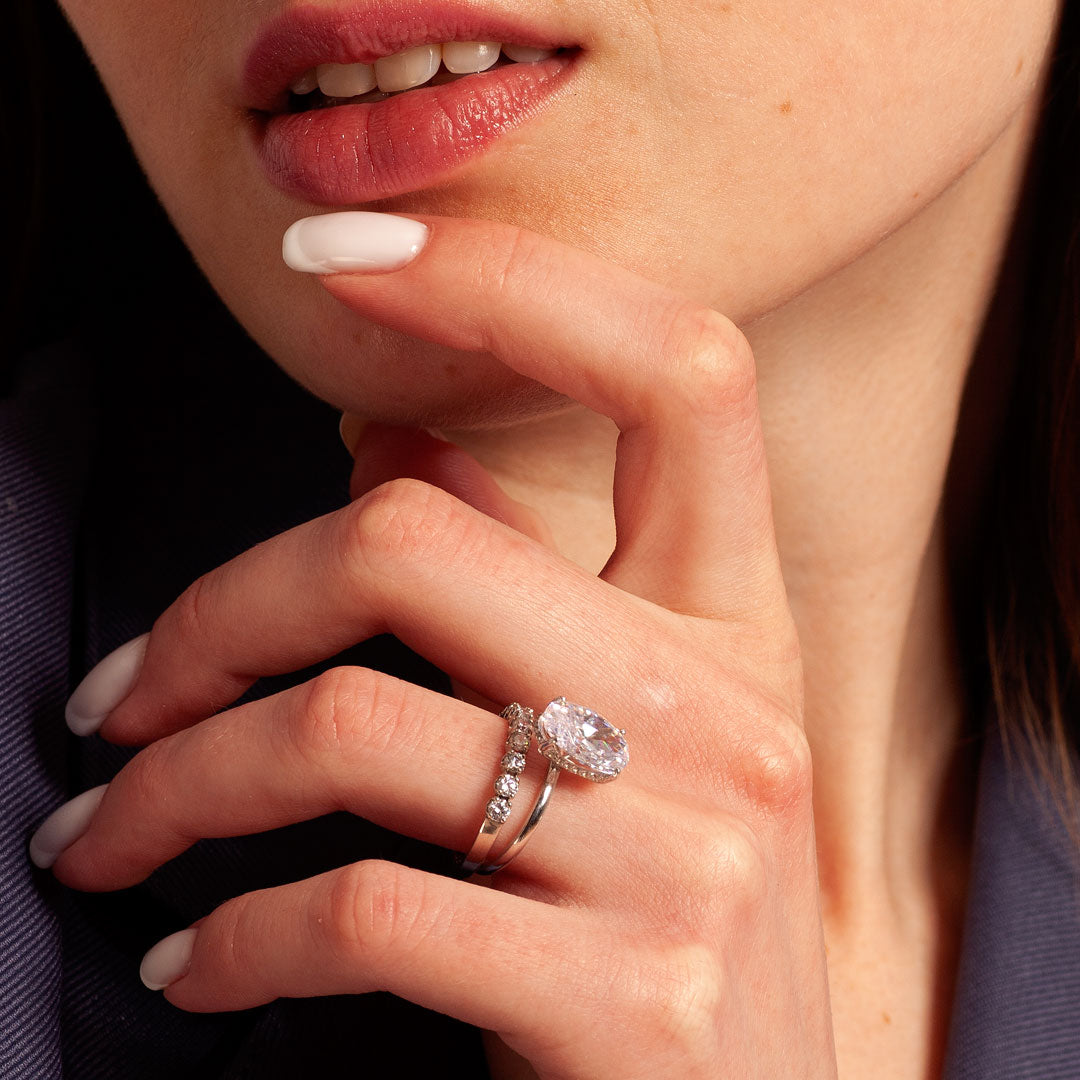
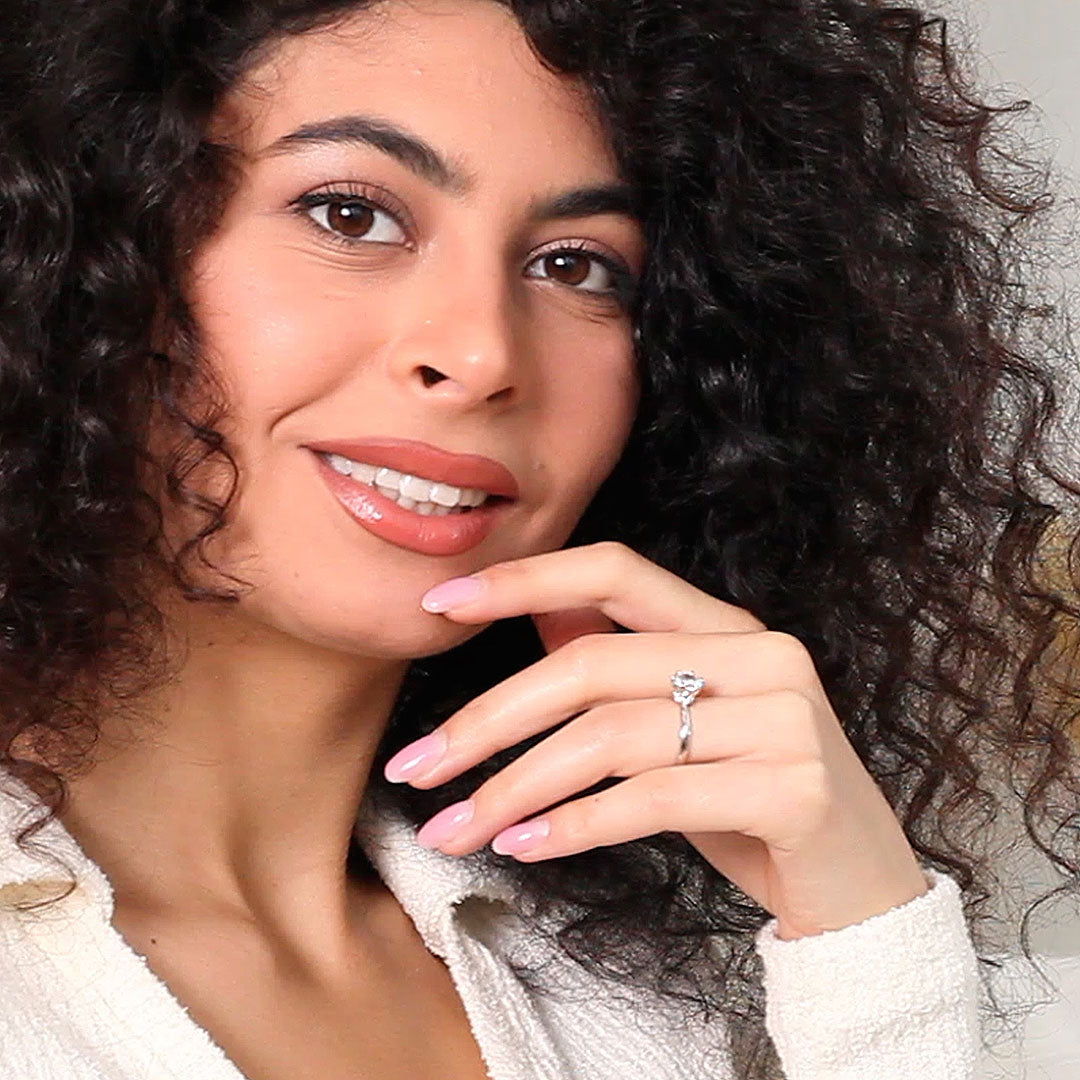
If you think silver is just a "budget" alternative, think again. Sterling silver is currently the darling of the indie jewelry world. In a world of mass-produced gold solitaires that all look the same, silver offers a cool, edgy, and sculptural aesthetic that gold often misses.
-
Design over Karats: Modern couples are choosing intricate, hand-crafted silver settings that look like wearable art.
-
The "Cool Girl" Aesthetic: High-polish silver has become a staple of the "quiet luxury" movement—it’s understated, elegant, and doesn't scream for attention.
-
Durability and Tech: With modern anti-tarnish coatings and rhodium plating, a high-quality sterling silver ring can maintain its brilliant white luster for a lifetime, making it a viable (and stylish) contender for daily wear.

Why Small Brands are Winning the "Ring Game"
The era of the "big box" jeweler is fading. Walking into a mall and picking a ring from a catalog is no longer considered "cool." Instead, the most sought-after engagement rings are coming from boutique studios and independent designers found on Instagram and TikTok.
Buying from a small brand offers something a luxury conglomerate can’t: a story. When you buy from a small artist, you’re often getting a limited-edition piece. You’re supporting a creator's craft, ensuring ethical sourcing, and often getting a much higher level of detail for a fraction of the price. The "flex" isn't the brand name on the box; it’s the uniqueness of the design.

Trading Carats for Experiences
The biggest shift in 2026 is the "Experience Economy." For many, the "perfect proposal" isn't about the box that’s opened; it’s about where you are when it happens.
We are seeing a massive trend where couples spend $500–$1,000 on a stunning, artist-made silver ring and then use the remaining $10,000 budget for a transformative travel experience. They’re choosing to build memories—scuba diving in the Maldives, hiking the Alps, or starting a small business—over holding onto a depreciating asset on their finger.
The New Engagement Etiquette: Style is the Only Rule
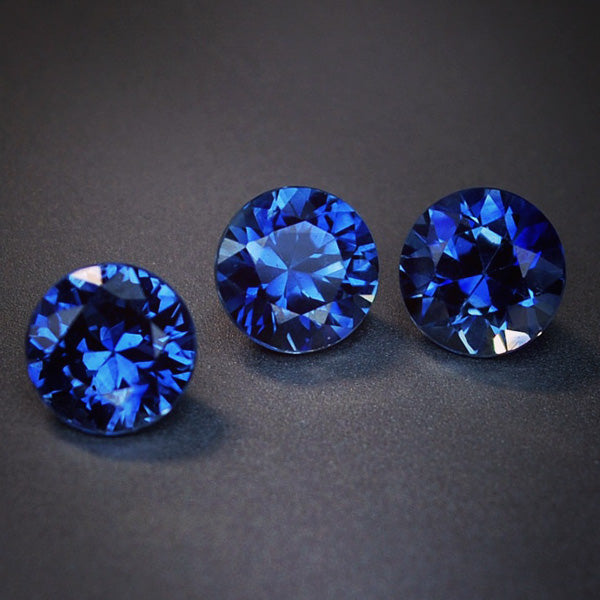
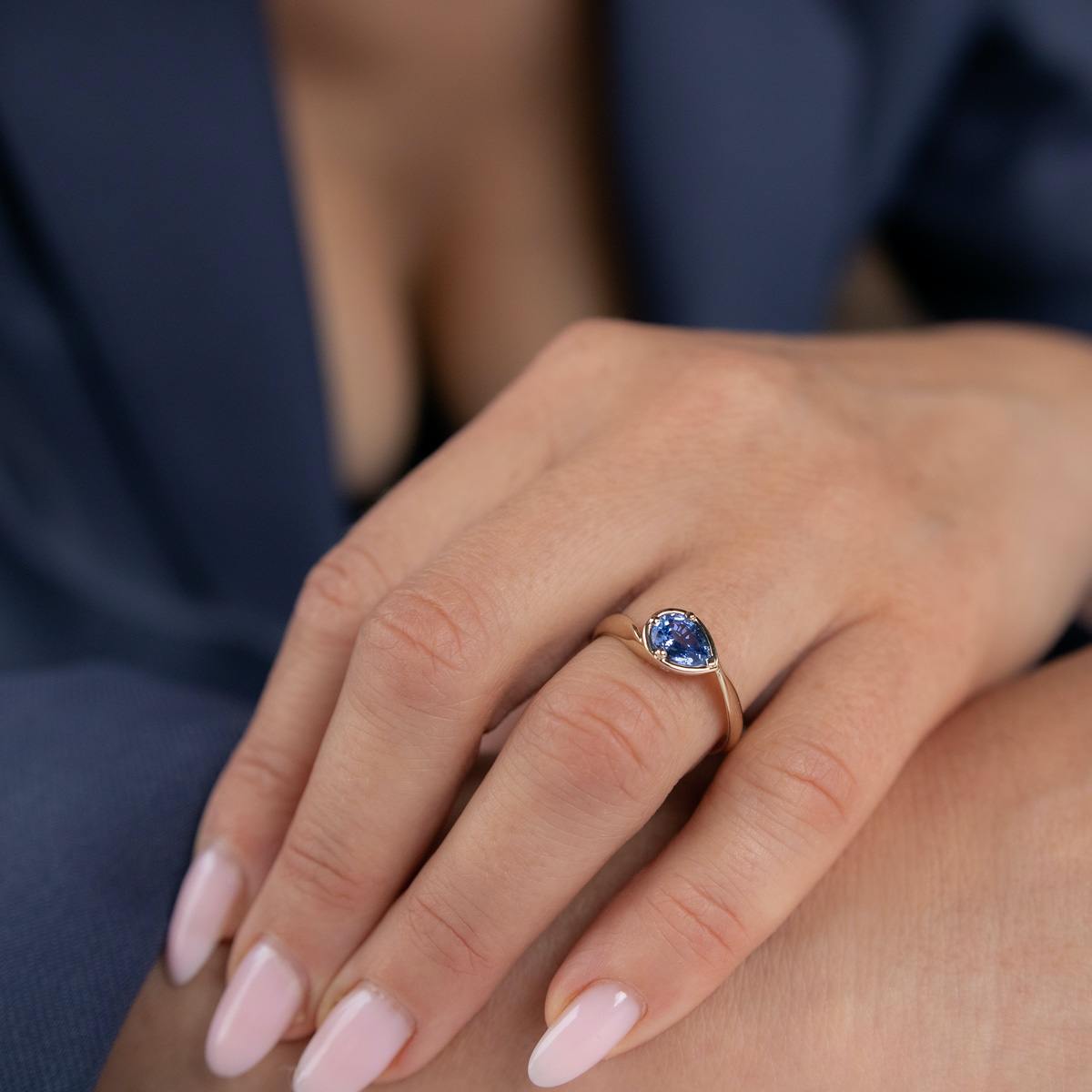
Ultimately, the modern engagement ring is a reflection of personality, not a financial statement. Whether it’s a vintage-inspired silver band, a lab-grown sapphire, or a sculptural metal piece with no stone at all, the rules have been rewritten.
In 2026, the most expensive thing about a ring should be the sentiment behind it. If it’s beautiful, if it’s "you," and if it doesn't put you in debt before the "I do's," then it’s the perfect ring.