
The "Bespoke" Advantage: Why Off-the-Shelf is Officially Out
Let’s be real: the days of walking into a mall jeweler and picking a ring out of a velvet tray are fading. In 2026, engagement rings are less about "status" and more about storytelling. You don’t just want a ring; you want your ring.
Going the custom route can feel a bit like DIYing a rocket ship if you don’t know where to start. This guide breaks down how to navigate the bespoke process without the stress, ensuring you end up with a piece that’s as unique as your relationship.
1. Finding Your "Design Language"
Before you even step foot in a studio (or jump on a Zoom consultation), you need to settle on an aesthetic. AI-driven platforms like Pinterest and TikTok have made it easier than ever to curate a mood board.
What’s Trending Right Now?
-
Toi et Moi Styles: "You and Me" rings featuring two different stones that represent two souls.
-
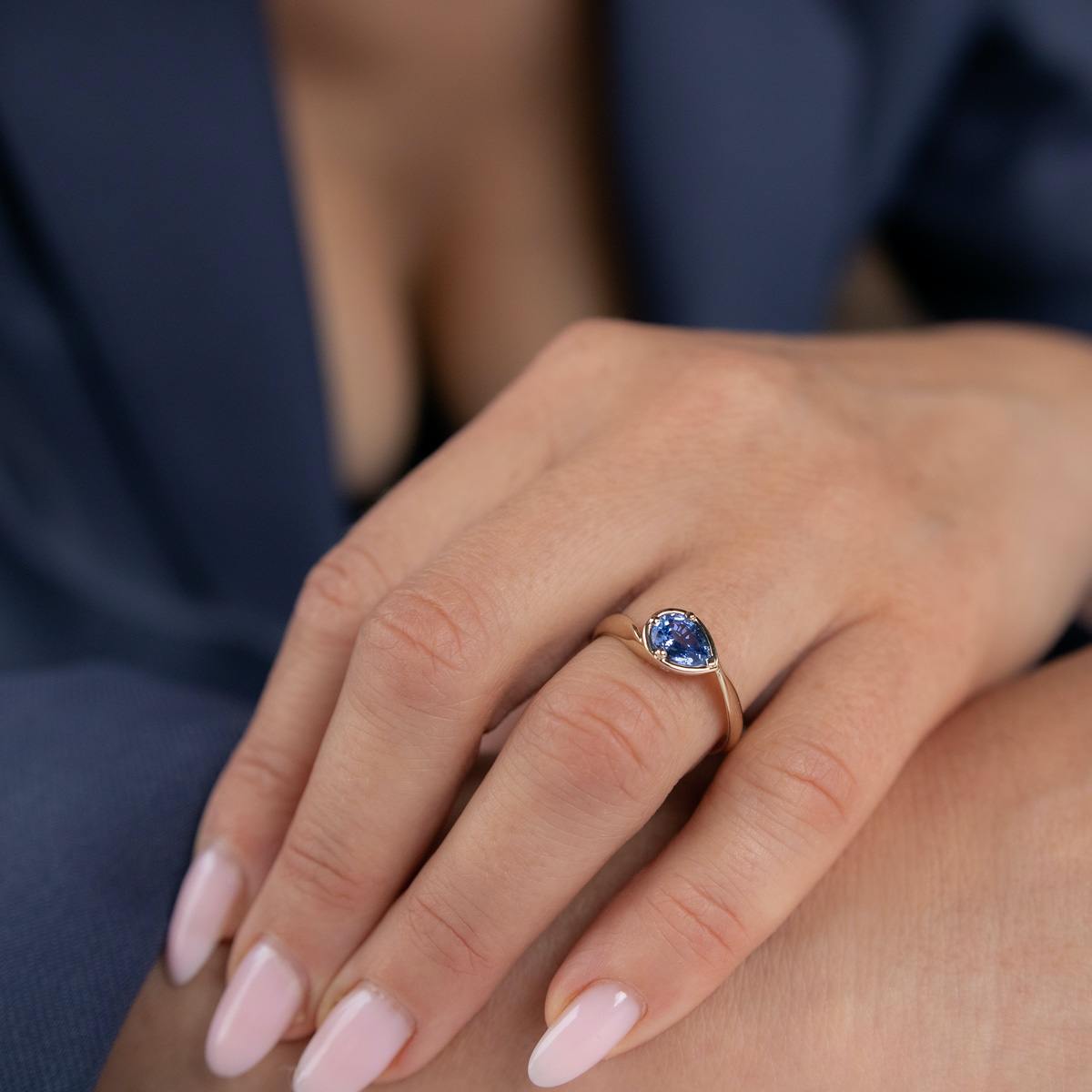
Bezel Settings: Sleek, modern, and incredibly durable for the active partner.
-
Hidden Details: Think "secret" birthstones on the inside of the band or intricate gallery work visible only from the side.
-
Vintage Revival: Modern craftsmanship meets Art Deco or Victorian silhouettes.
Pro Tip: Don't just look at rings. Look at architecture, nature, or fashion. A good jeweler can translate "I love the way the light hits the ocean" into a specific metal texture or stone arrangement.
2. Choosing the Right Partner (Your Jeweler)
Not all jewelers are created equal. Some specialize in CAD (Computer-Aided Design), while others are masters of hand-forging.
-
Check the Portfolio: Does their previous work match your vibe? If you want a minimalist organic band, don't go to someone who only does chunky, pavé-heavy designs.
-
The "Vibe" Check: Custom design is a collaboration. You need a jeweler who listens, asks questions, and isn’t afraid to tell you if a design choice might compromise the ring’s structural integrity.
-
Sustainability Matters: Modern American couples are prioritizing ethical sourcing. Ask about recycled gold and the origin of their gemstones.
3. The "Big Three": Metal, Stone, and Shape
This is where the technical meets the emotional.
The Metal
-
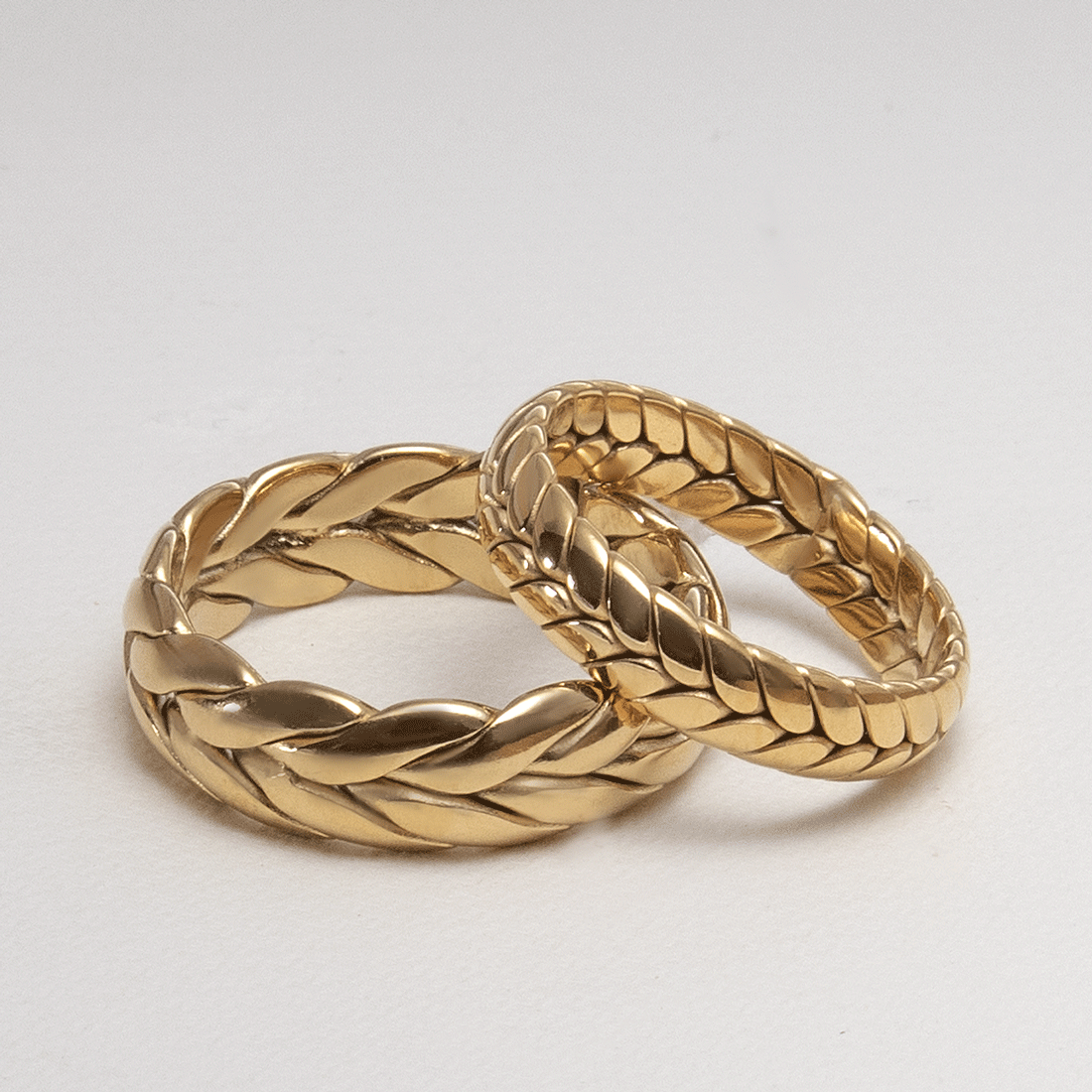
14k vs. 18k Gold: 14k is more durable (better for daily wear), while 18k has a richer yellow hue.
-
Platinum: The heavyweight champion. It’s hypoallergenic and develops a "patina" over time that many find romantic.
The Stone
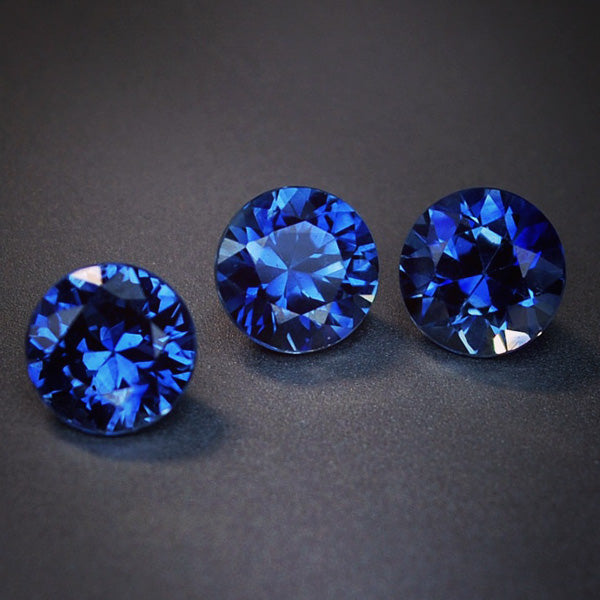
While natural diamonds are classic, Lab-Grown Diamonds and Moissanites have skyrocketed in popularity due to their value and ethical profile. If you want color, consider sapphires or teal tourmalines—they are durable enough for everyday wear ($9$ on the Mohs scale for sapphires).
The Cut
The shape of the stone dictates the entire energy of the ring.
-
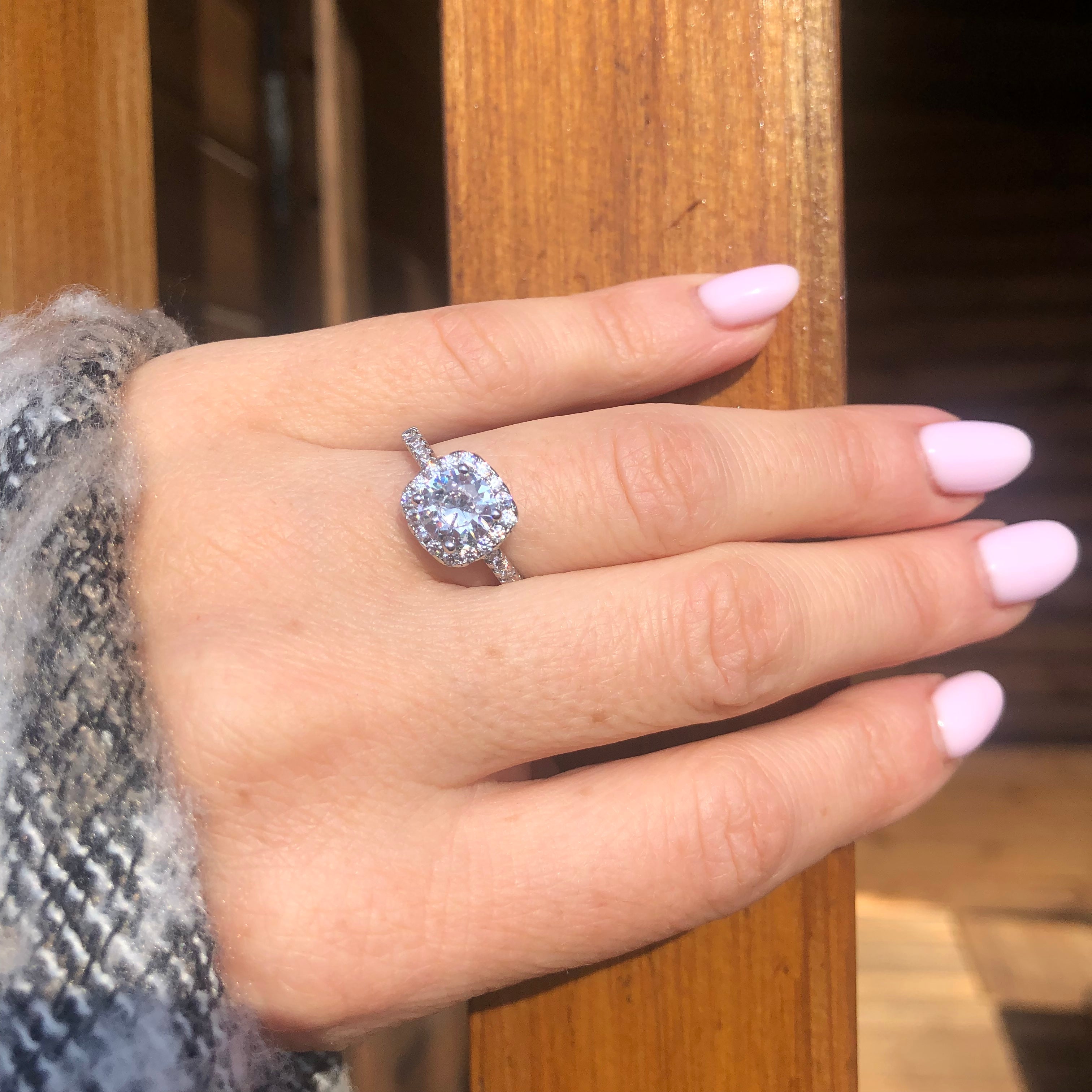
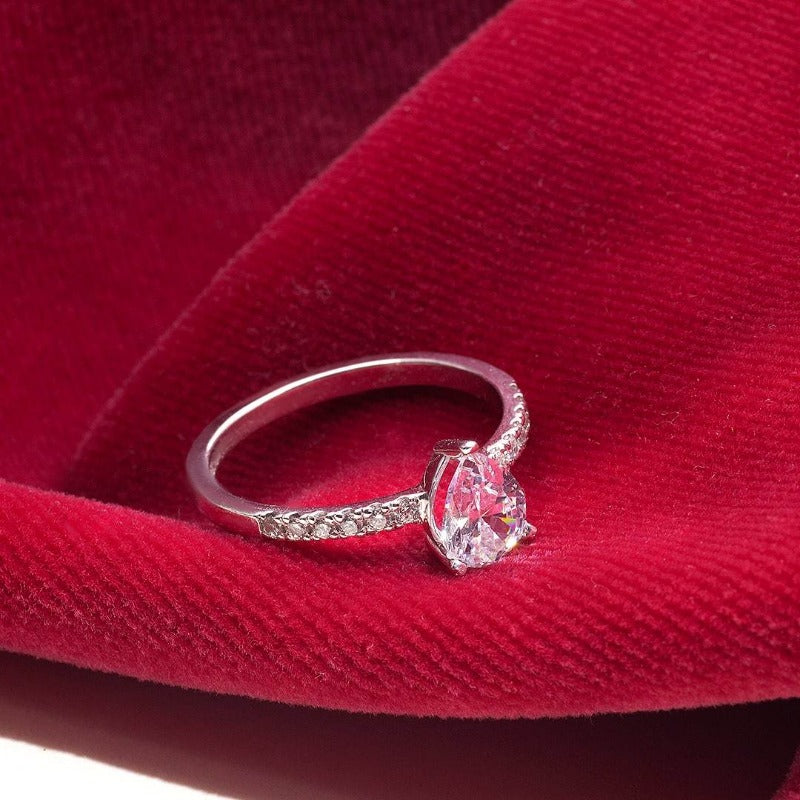
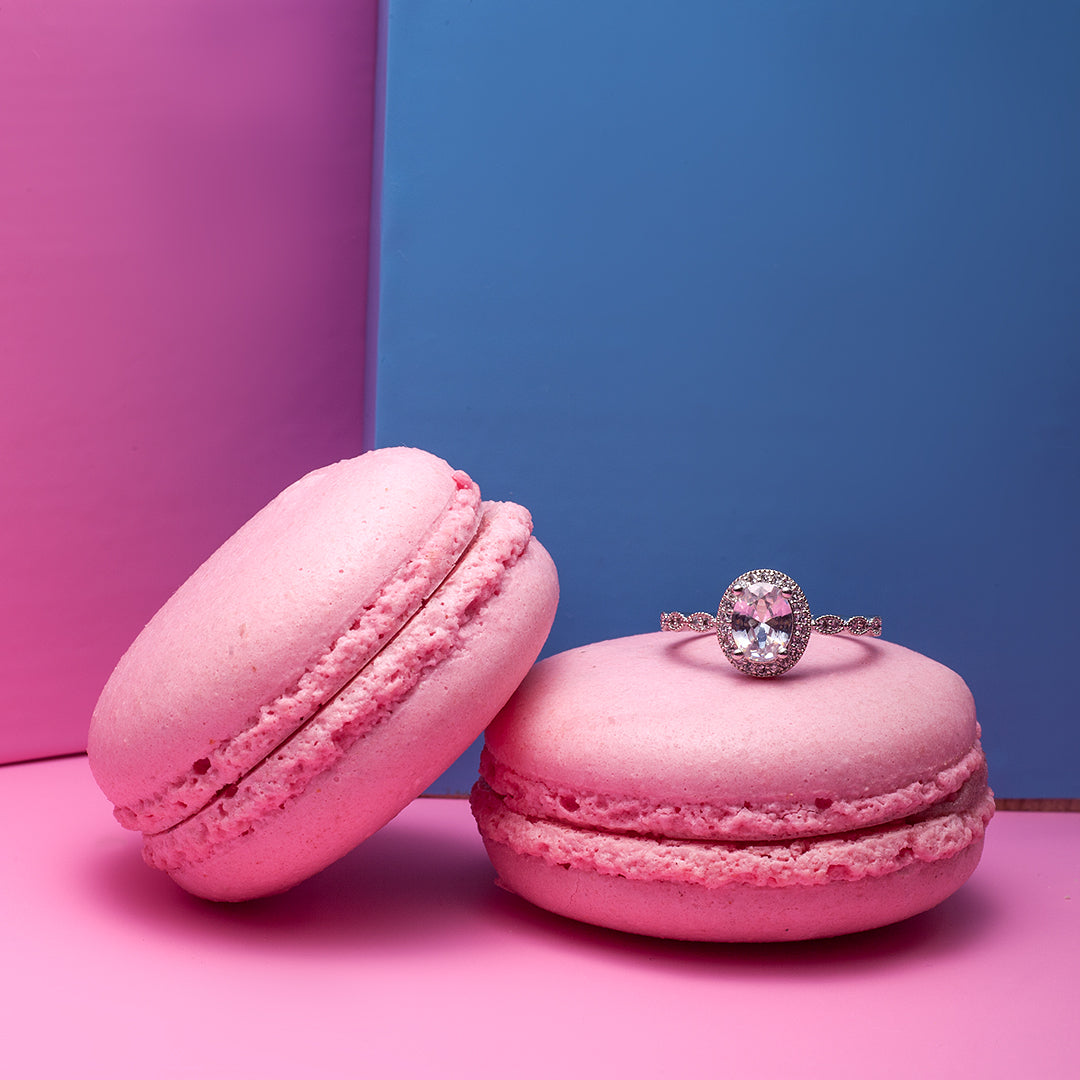
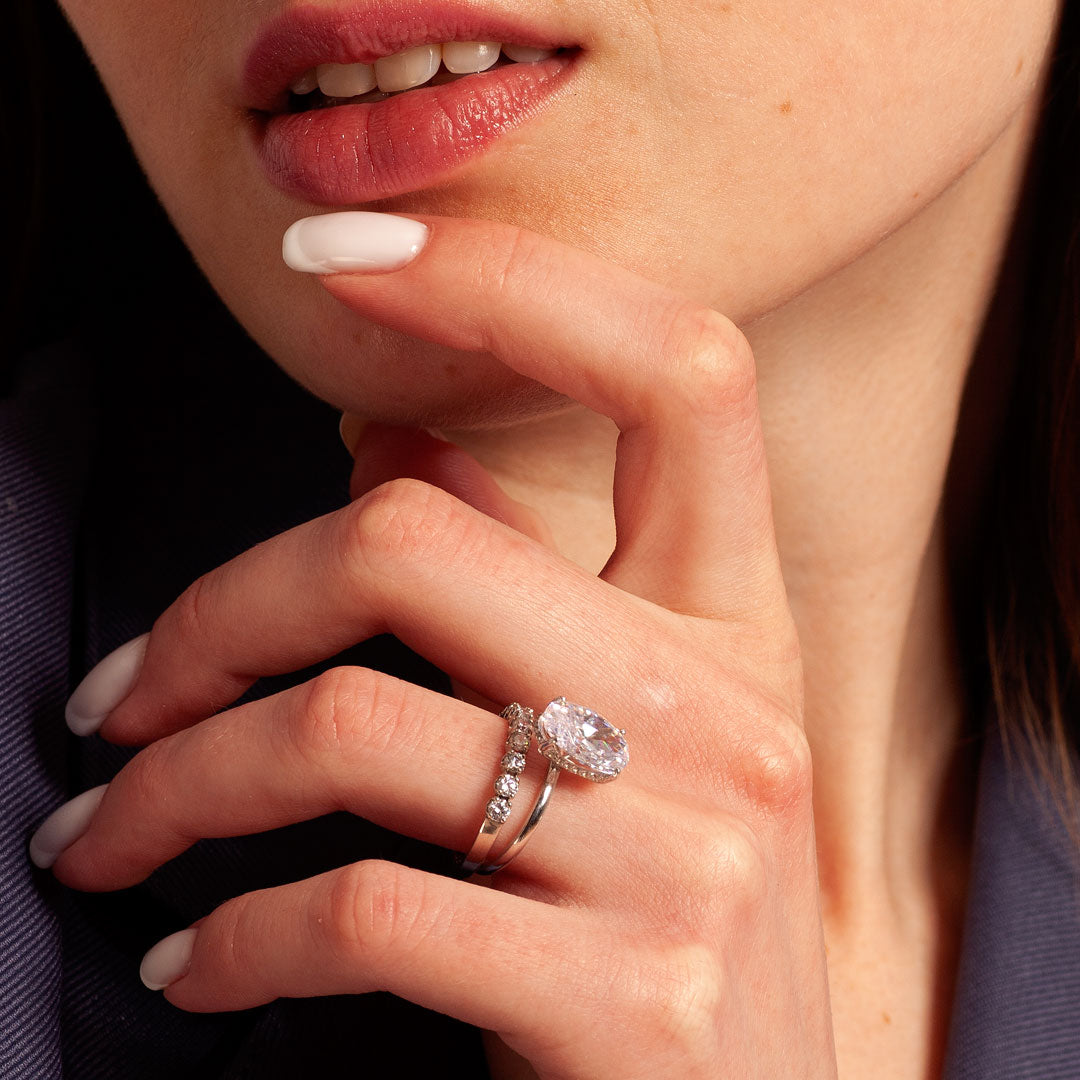
Oval & Pear: Elongate the finger and look larger than their carat weight.
-
Emerald Cut: Sophisticated and "quiet luxury"—shows off the clarity of the stone.
-
Radiant: For those who want maximum sparkle.
4. Understanding the Workflow
Creating a masterpiece takes time. Usually, the process follows these steps:
-
Initial Consultation: Discussing budget, style, and timeline.
-
The Sketch/CAD Phase: The jeweler creates a 3D model of your ring. This is your chance to make tweaks.
-
The Wax Model: Many jewelers will 3D-print a wax version so you can see the scale on your actual hand.
-
Casting & Setting: The "magic" happens. The metal is poured, the stones are set, and the ring is polished to perfection.
Note: Expect this process to take anywhere from 4 to 10 weeks. Don't wait until a month before the proposal to start!
5. Budgeting for Bespoke
A common myth is that "custom" equals "more expensive." That’s not necessarily true. When you go custom, you have control over the variables.
Instead of paying for a brand name’s overhead, you are paying for craftsmanship. You can choose a slightly smaller stone with better clarity or a unique setting that makes a modest stone look massive. Be transparent with your jeweler about your "all-in" number so they can suggest the best materials to fit that budget.
6. Future-Proofing the Design
A ring shouldn't just look good on Instagram today; it needs to last fifty years.
-
Think about the Wedding Band: Will a standard band sit flush against this ring, or will you need a "curved" band later?
-
Maintenance: Super-thin "whisper" bands are trendy but prone to bending. Aim for at least $1.8\text{mm}$ to $2.0\text{mm}$ in width for longevity.
Final Thoughts
Customizing an engagement ring is one of the most personal shopping experiences you’ll ever have. It’s an investment in a piece of wearable art that carries your history. Trust your gut, do your homework, and don't be afraid to ask "stupid" questions.
Ready to start your journey?
Would you like me to create a checklist of questions you should ask your jeweler during your first meeting?