
From a 90s pop culture trend to a modern symbol of self-love: how the meaning of purity rings has completely shifted for a new generation.
If you grew up in the late 90s or early 2000s, you probably remember the pop culture wave of purity rings. Worn by everyone from teen pop stars to high schoolers, these rings were a massive cultural phenomenon. But fast forward to today, and you might be wondering: are celibacy rings still a thing?
The short answer is yes—but the conversation around them has completely shifted. Today, wearing a celibacy or purity ring is less about societal pressure and much more about personal intentionality, emotional boundaries, and self-worth.
Whether you’re curious about the tradition, considering one for yourself, or looking for a meaningful gift, here is everything you need to know about celibacy rings in the modern era.

What is a Celibacy Ring?
A celibacy ring (often called a purity ring or a chastity ring) is a piece of jewelry worn as a physical symbol of a promise to abstain from sexual activity until marriage. For decades, it served as a daily reminder of a personal or religious vow.
However, in recent years, the definition has expanded. Today, many people wear celibacy rings simply to symbolize a period of intentional celibacy—a choice to focus on personal growth, mental health, or emotional healing before entering a new physical relationship.
The History: Where Did the Tradition Come From?
The modern concept of the purity ring gained massive traction in the United States in the 1990s. It was primarily driven by Christian youth groups and abstinence-only education programs. Organizations like True Love Waits and the Silver Ring Thing popularized the movement, encouraging teenagers to sign pledges and wear silver bands to signify their commitment.
By the mid-2000s, the trend hit Hollywood. Teen idols proudly displayed their purity rings on the red carpet, turning a religious symbol into a mainstream fashion accessory and a major topic of sociological debate.
Who Gives a Celibacy Ring (And When)?
Traditionally, the exchange of a purity ring is a deeply personal and ceremonial moment. Here is how they are typically given:
-
Fathers to Daughters: In traditional settings, a purity ring is often given by a father to his teenage daughter (usually between the ages of 12 and 16) during a specific ceremony or a private family dinner.
-
Couples: Sometimes, a dating couple will exchange celibacy rings with one another as a mutual promise to wait until their wedding day. This is often done when the relationship becomes serious.
-
Self-Purchasing (The Modern Trend): In a massive cultural shift, a growing number of young adults are buying celibacy rings for themselves. This acts as a personal commitment to self-love, honoring their own emotional boundaries, and taking a break from modern hookup culture.
Are Celibacy Rings Still Trendy?
While the massive, pop-culture-driven hype of the 2000s has faded, celibacy rings have actually found a new, quieter resurgence.
Modern dating culture—often dominated by swiping apps and "situationships"—has left many people feeling burnt out. As a result, voluntary celibacy has become a trending topic on platforms like TikTok and Instagram. Influencers and everyday people are openly discussing the psychological benefits of taking a step back from physical intimacy to build deeper emotional intelligence and figure out what they truly want in a partner.
In this context, the celibacy ring has been rebranded. It's no longer seen as a symbol of restriction, but rather an empowering symbol of choice and self-respect.
What Does a Modern Celibacy Ring Look Like?
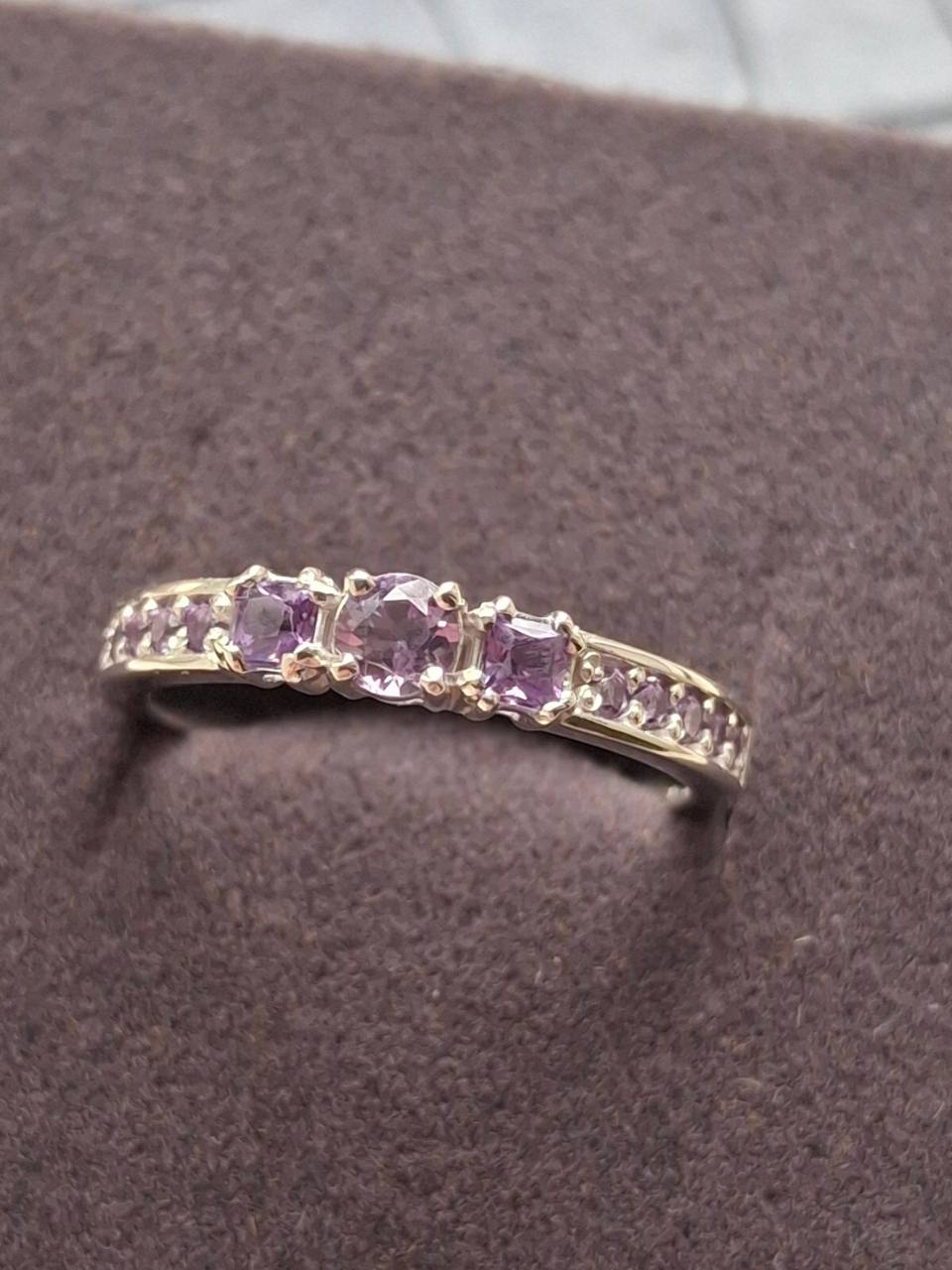
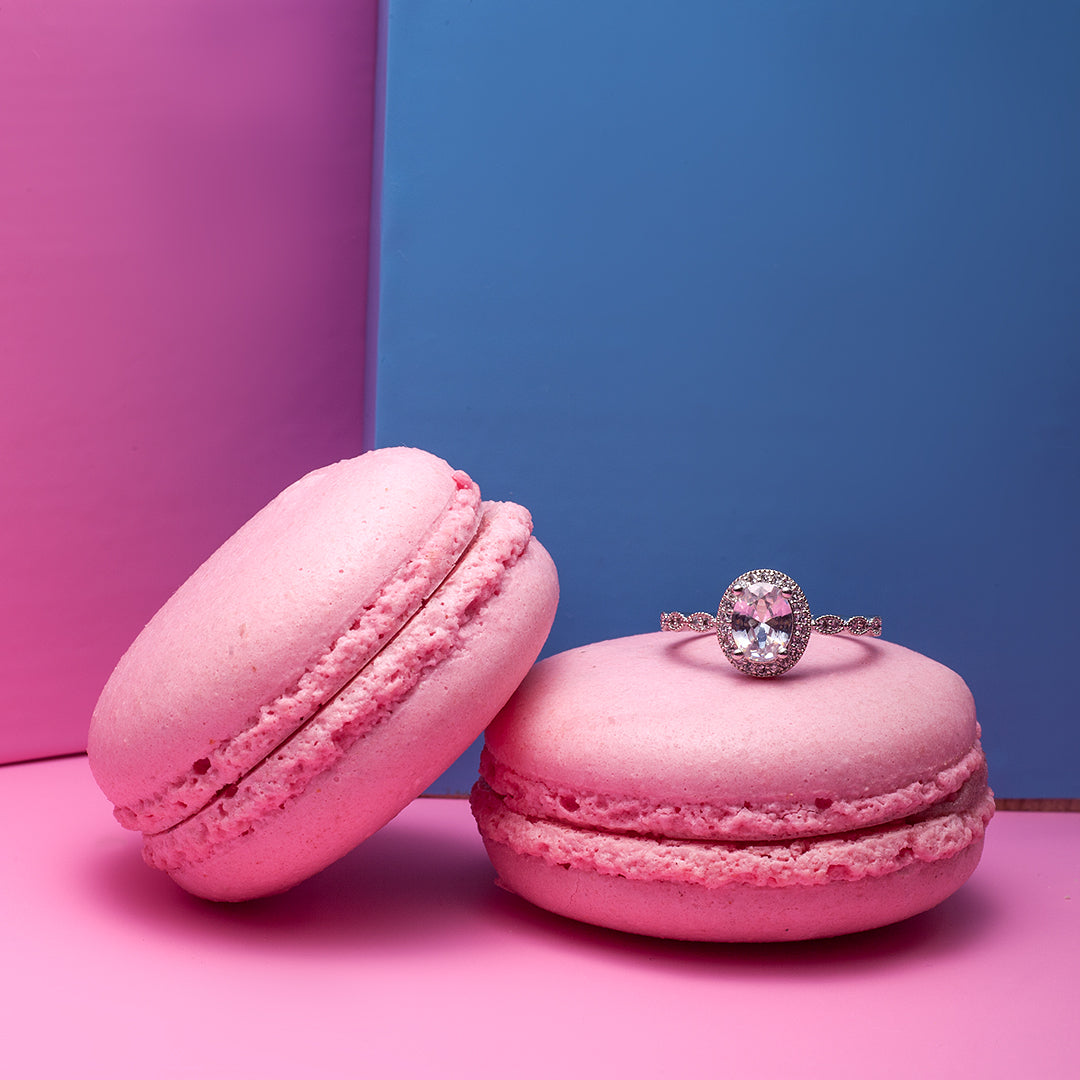
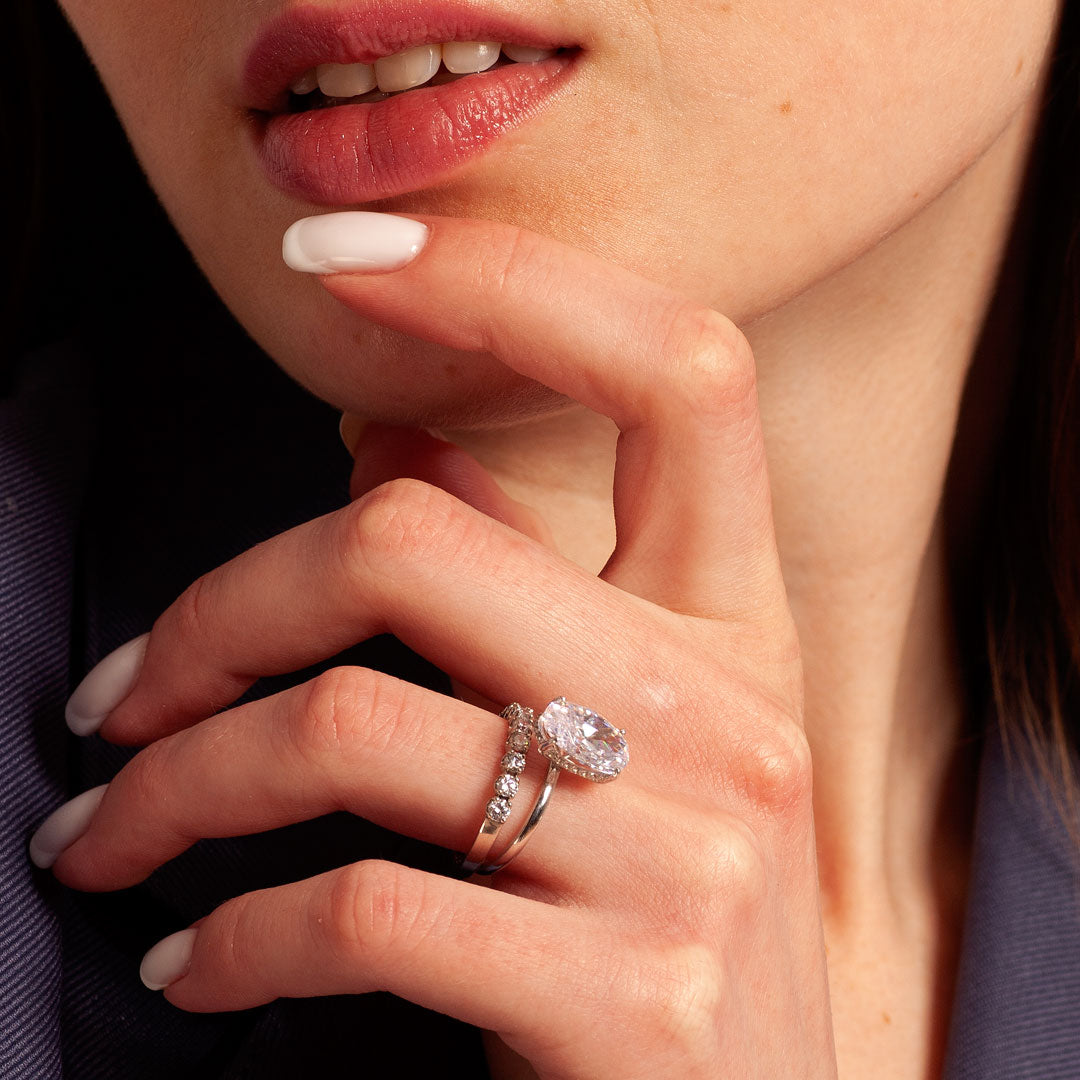
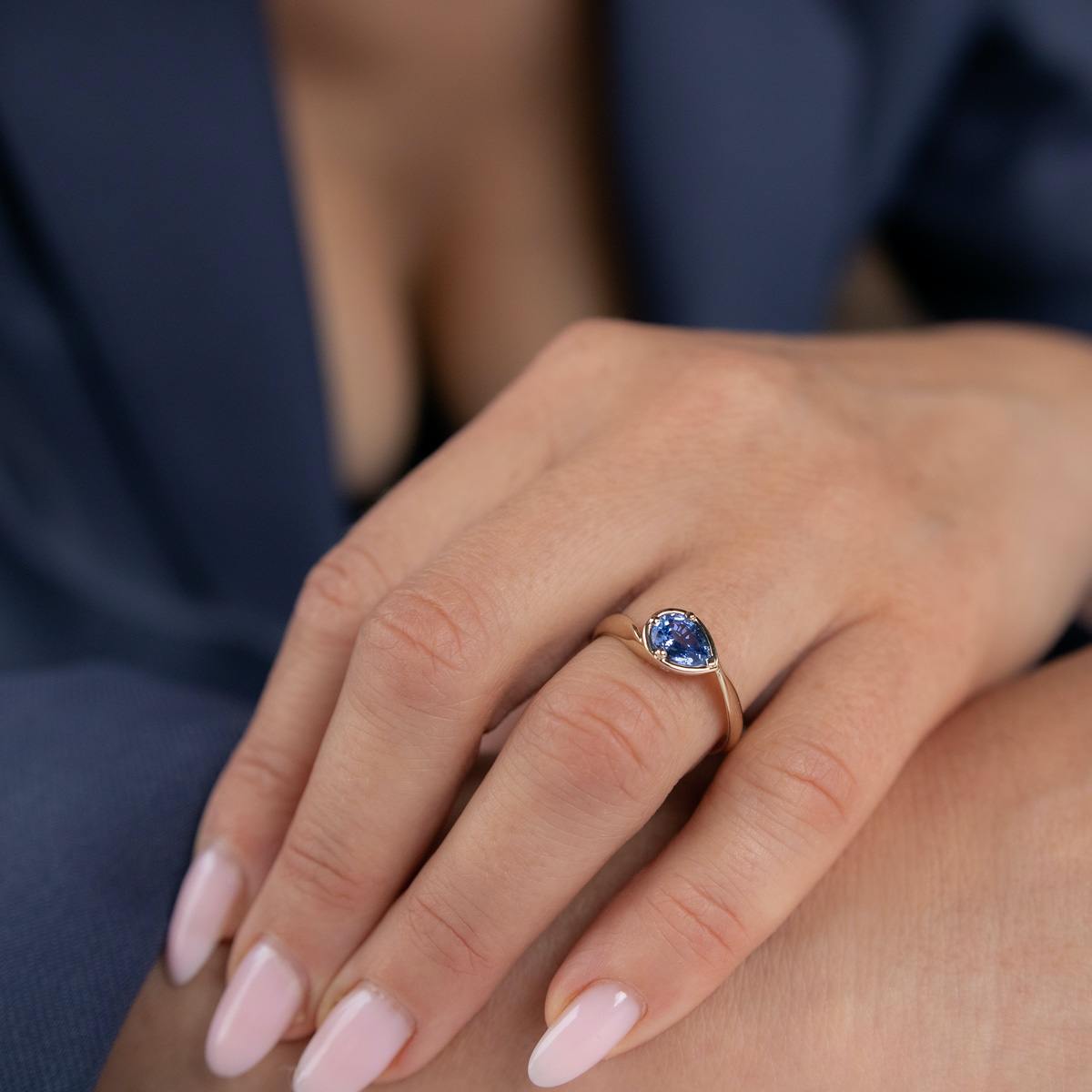
In the past, purity rings were often thick silver bands stamped with bold phrases like "True Love Waits." Today’s designs are far more subtle, elegant, and fashion-forward.
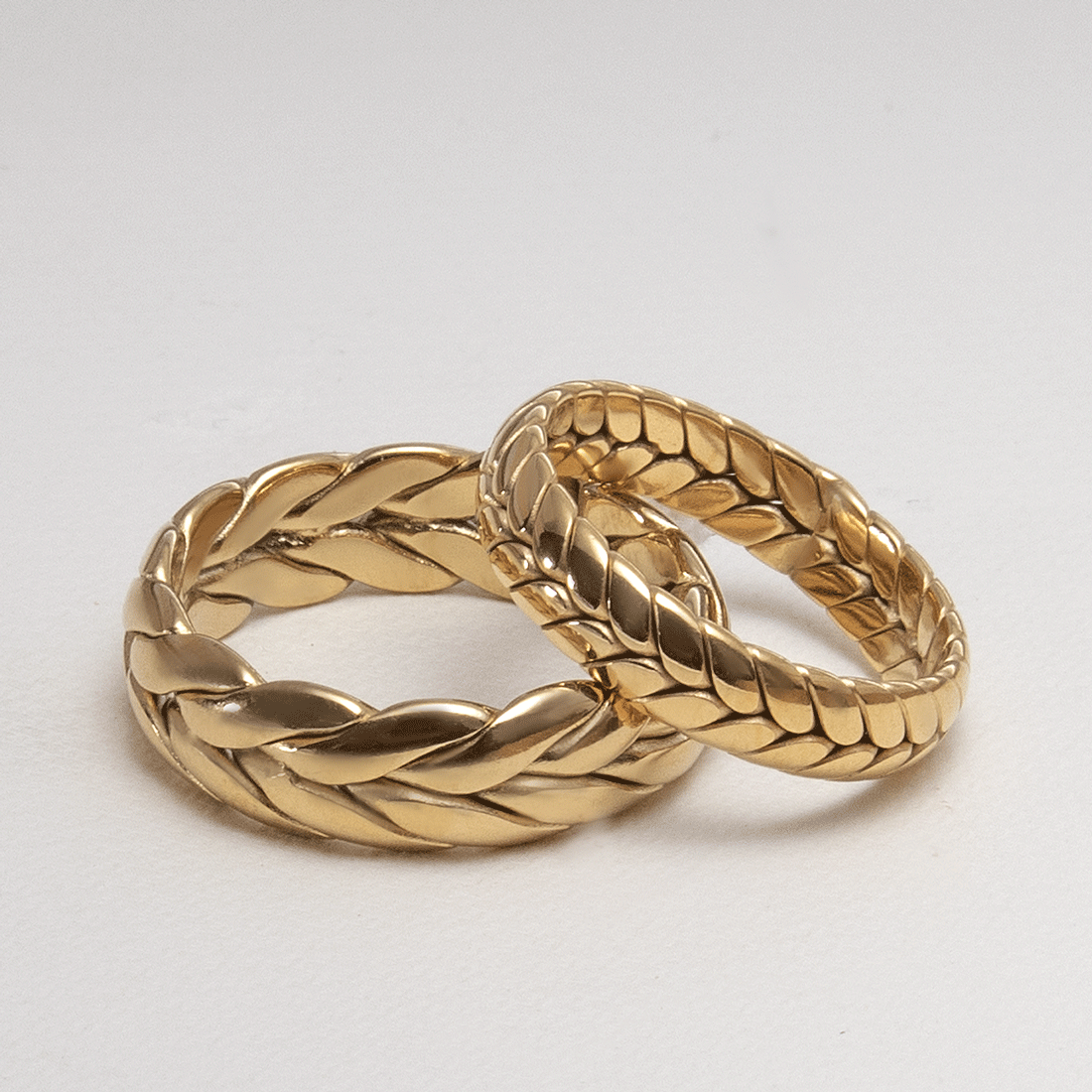
Because the meaning is so personal, modern celibacy rings usually blend seamlessly into an everyday jewelry stack. Popular styles include:
-
Minimalist Gold or Silver Bands: Simple, sleek, and understated.
-
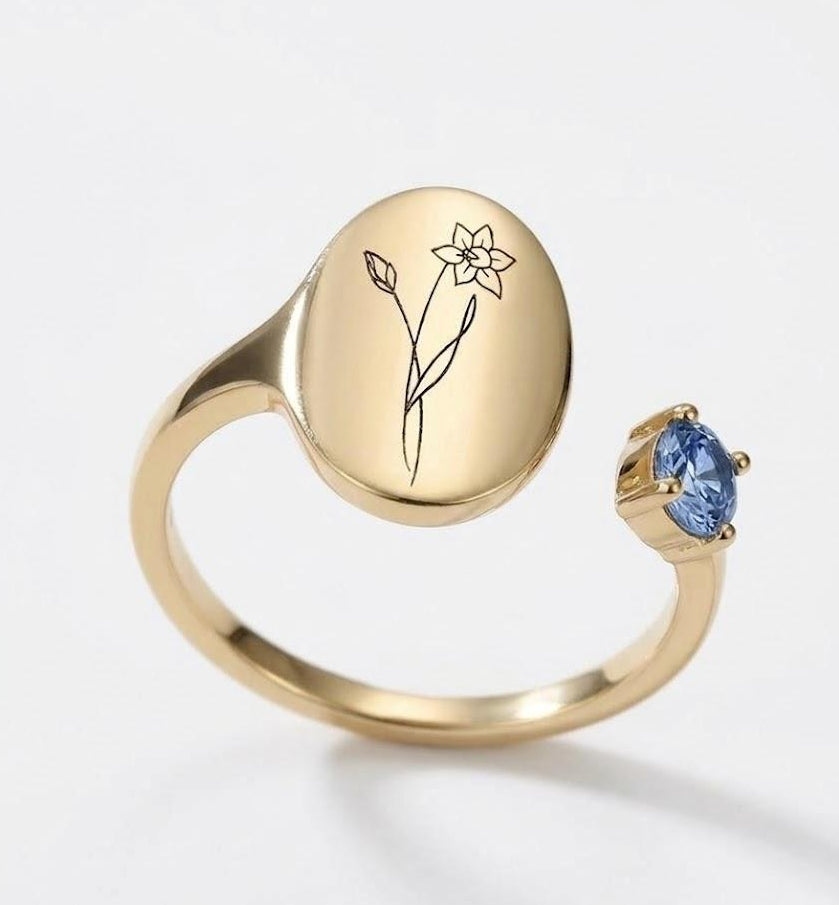
Dainty Signet Rings: A blank flat-top ring or one engraved with a discreet, personal initial.
-
Hidden Engravings: Rings that look like standard fashion jewelry on the outside, but feature a private, meaningful word or date engraved on the inside.
-
Knot Rings: A delicate metal knot symbolizing a promise or a tie to one's core values.